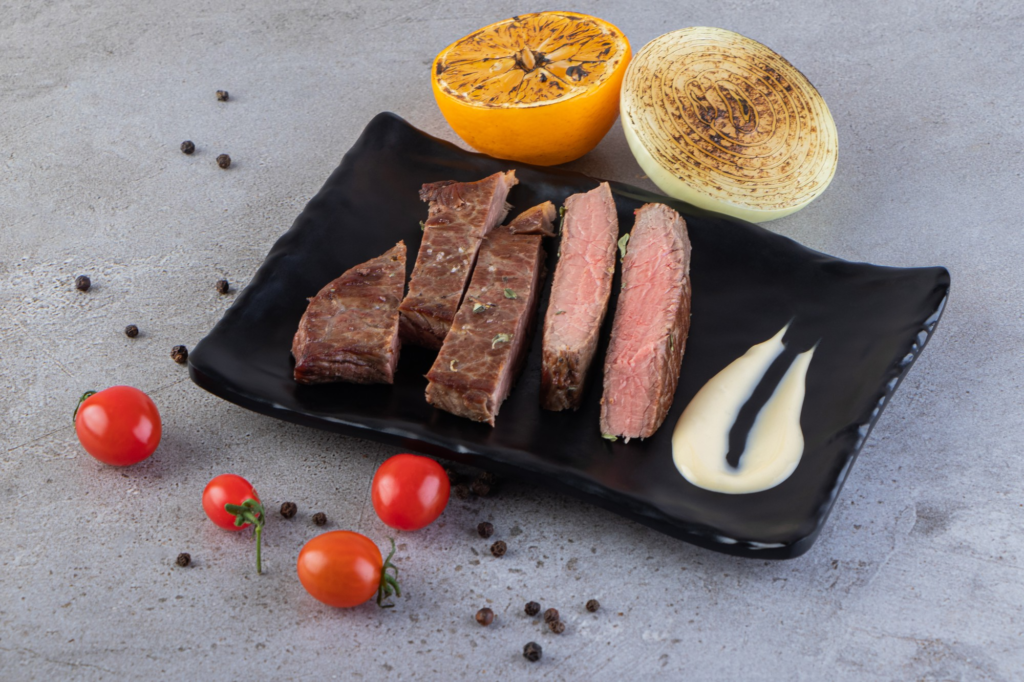
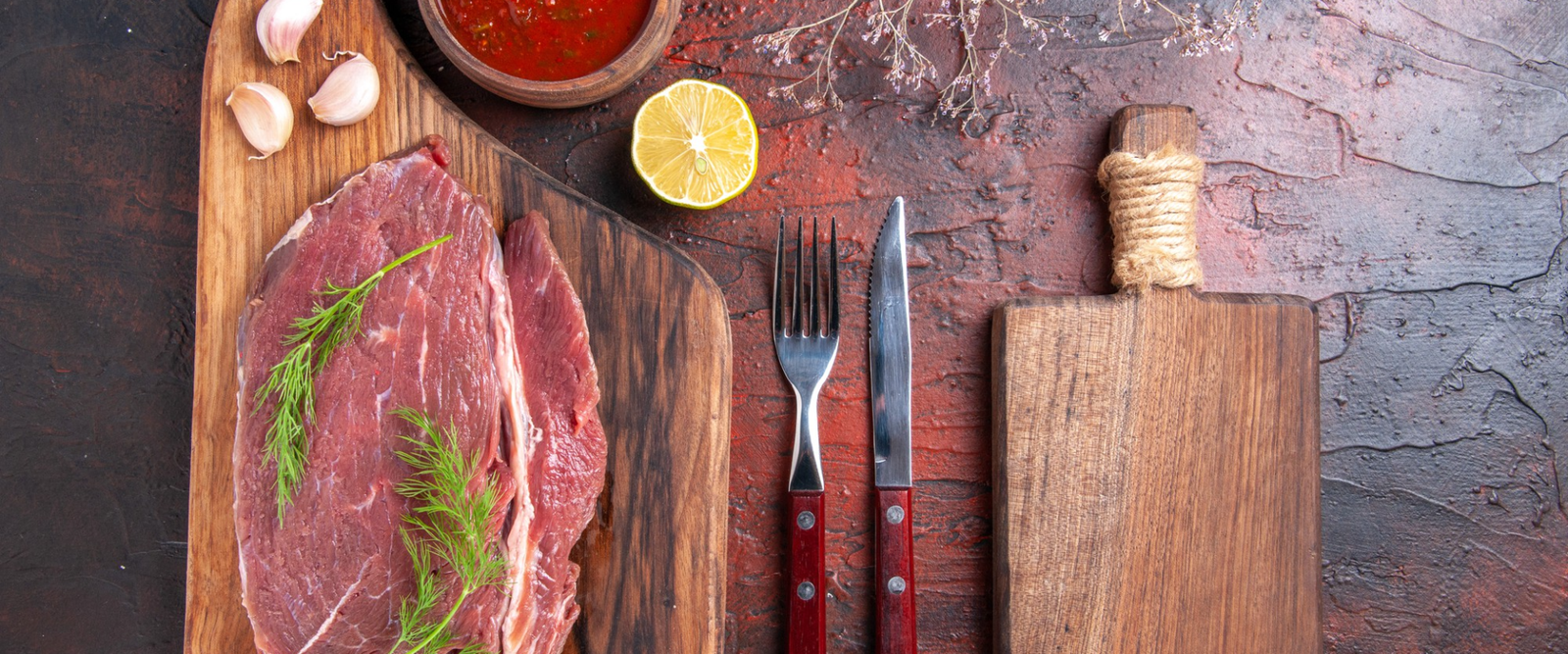
Most “best cut of steak” articles repeat the same three names ribeye, filet mignon, sirloin without explaining what’s actually different about them or which one fits your situation. That’s not very useful if you’re standing at a butcher counter trying to make a decision. The best cut of steak isn’t a single answer. It depends on how much fat you want, how much you’re willing to pay, and how you plan to cook it. This guide breaks down the cuts that matter in 2026, what each one is genuinely good at, and where the marketing claims don’t hold up.
What Is the Best Cut of Steak?
There’s no single best the term covers a handful of cuts taken from different parts of the cow, each with a different balance of tenderness, fat (marbling), and flavor.
The cuts that come up most often in this conversation are:
- Ribeye — heavily marbled, rich flavor, forgiving to cook
- Filet mignon — extremely tender, very lean, milder flavor
- New York strip — firmer texture, good balance of chew and flavor
- Sirloin — leaner, more affordable, less forgiving on the grill
- T-bone/Porterhouse — combines strip and filet on one bone
Picking “the platform” you’ll cook with comes down to whether you’re prioritizing tenderness, flavor, or budget rarely all three at once.
Why Ribeye Became the Default Answer
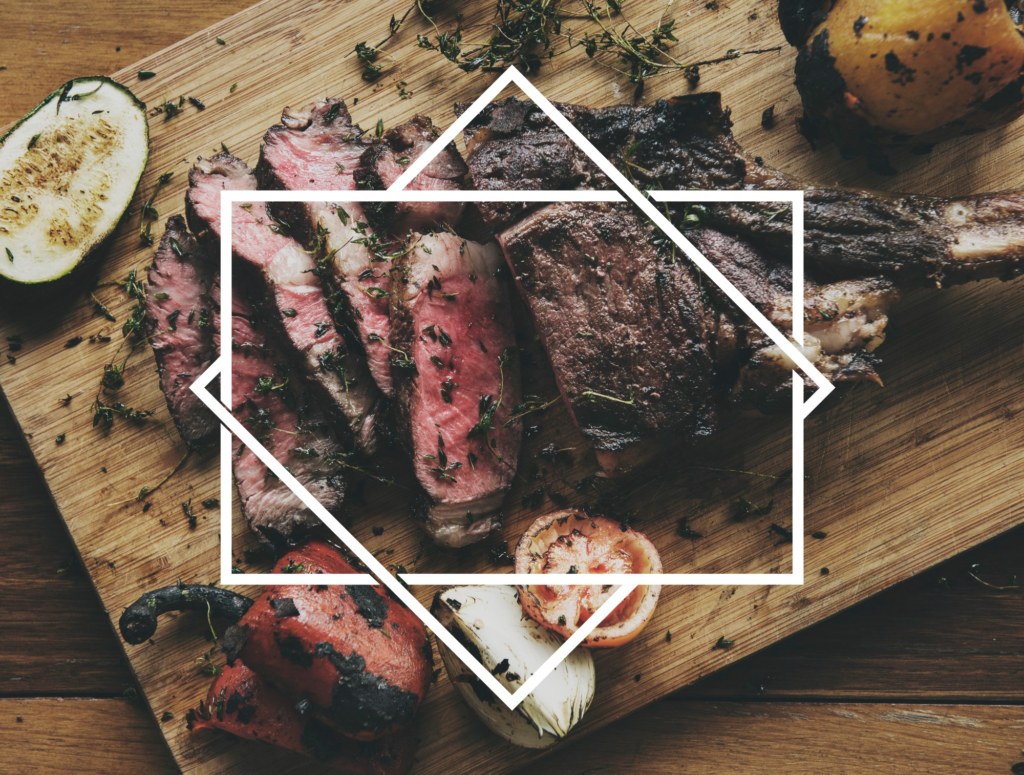
Ask most home cooks or steakhouse chefs which cut they’d recommend, and ribeye comes up constantly. The reason is marbling the thin streaks of fat running through the muscle.
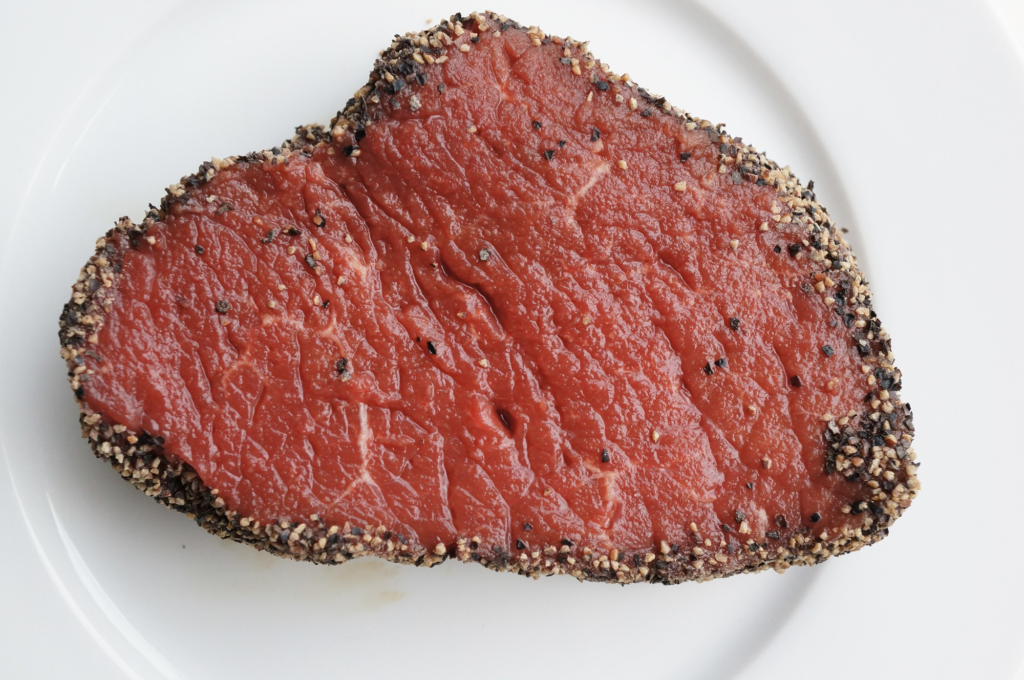
That fat renders as the steak cooks, basting the meat from the inside. It’s part of why ribeye is considered more forgiving than leaner cuts a slightly overcooked ribeye still tastes juicy, while a slightly overcooked filet can turn dry fast. What gets left out of a lot of comparisons is that marbling is graded, not guaranteed. A ribeye labeled Select grade will have noticeably less fat than one labeled Prime, which is part of why two ribeyes from two different stores can taste completely different.
What Still Works Reliably in 2026
A few things about steak selection haven’t changed and aren’t likely to:
- USDA grading still matters. Prime, Choice, and Select grades are based on marbling and remain a reliable predictor of tenderness and flavor.
- Thickness affects cook quality more than people assume. A steak under 1 inch thick is hard to get a proper sear on without overcooking the inside.
- Resting the steak after cooking still makes a measurable difference in juiciness, regardless of which cut you choose.
- Dry-aged cuts continue to command a premium for a reason — the aging process concentrates flavor and improves tenderness through natural enzymatic breakdown.
Where a Lot of Steak Advice Falls Short
A few common claims don’t hold up as well as they’re often presented:
- “Always cook steak at room temperature first.” The actual temperature difference this makes is smaller than most articles suggest a hot, dry pan matters far more for a good sear.
- “Filet mignon is the best steak.” It’s the most tender, not necessarily the most flavorful. Tenderness and flavor aren’t the same thing, and filet’s leanness means it relies heavily on seasoning and sauce.
- “Grass-fed beef always tastes better.” It’s often leaner and has a different flavor profile, not a strictly “better” one preference here is genuinely subjective, not settled fact.
Is Eating Red Meat Like Steak Safe?
This is a fair question, and the honest answer is: in moderation, yes, for most healthy adults but it depends on quantity, frequency, and how it’s prepared.
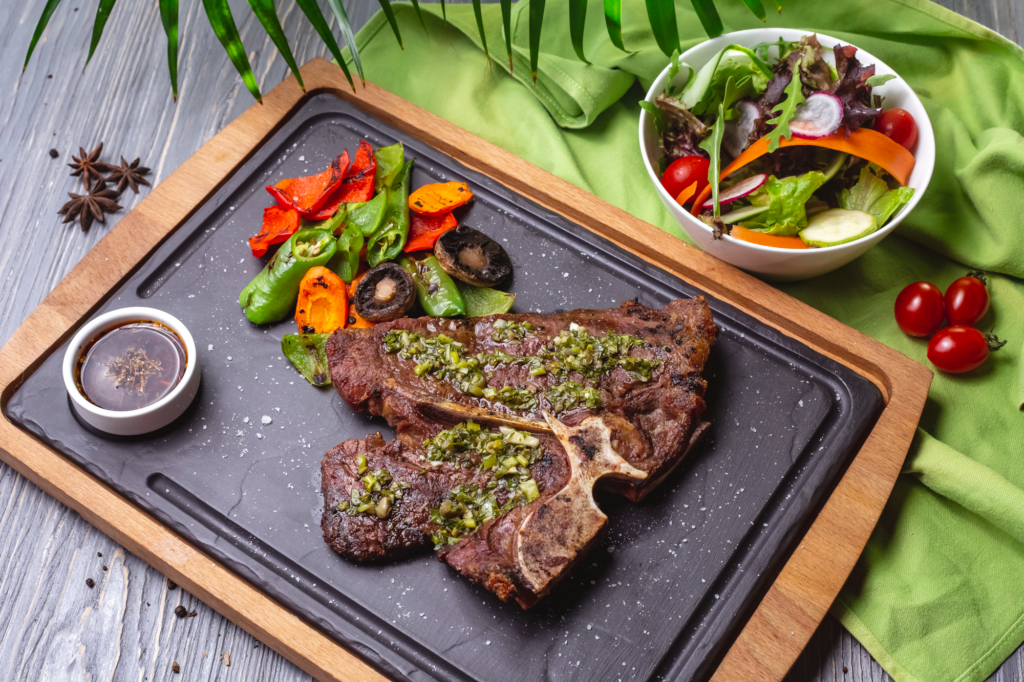
Health organizations generally recommend moderating red meat intake rather than eliminating it, with particular caution around heavily processed and charred preparations. Cooking steak to a safe internal temperature reduces foodborne illness risk regardless of which cut you’re using ground beef requires a higher internal temperature than whole-muscle cuts like steak because grinding can spread bacteria throughout the meat rather than keeping it on the surface.
If you have specific cardiovascular or dietary concerns, that’s a conversation worth having with a doctor or dietitian rather than relying on a single article including this one.
Better Alternatives by Use Case
No single cut wins every category. Here’s how the main options actually compare:
| Cut | Tenderness | Flavor Intensity | Price | Best For |
|---|---|---|---|---|
| Ribeye | High | Very High | $$$ | Grilling, forgiving cooks |
| Filet Mignon | Very High | Mild | $$$$ | Special occasions, pan-searing |
| New York Strip | Medium-High | High | $$$ | Grilling, balance of chew and taste |
| Sirloin | Medium | Medium | $$ | Budget-conscious meals, stir-fry |
| T-Bone/Porterhouse | High (split) | High | $$$$ | Sharing, variety in one cut |
| Flank/Skirt | Lower (needs marinating) | High | $ | Fajitas, marinated dishes |
Is It Legal to Buy and Sell These Cuts?
Yes beef sold in the United States and most other countries is regulated, not restricted. Cuts must meet inspection and labeling standards set by agencies like the USDA Food Safety and Inspection Service, but there’s nothing legally unusual about buying ribeye, filet, or any standard retail cut. The only legal gray areas involve specific labeling claims like “grass-fed” or “organic, which are regulated separately and can vary by region worth checking if those claims matter to your purchase.
Should You Still Buy Ribeye, Filet, or Something Else?
If you want the most forgiving cooking experience with rich flavor, ribeye remains a solid default for most home cooks. If tenderness is the priority and budget allows, filet mignon still delivers on that single metric better than anything else on this list. For everyday cooking, New York strip or sirloin offer a more practical balance of cost and quality. There isn’t a universally “best” cut there’s a best cut for what you’re trying to do.
Related article
FAQs
What is the most tender cut of steak?
Filet mignon is widely considered the most tender cut because it comes from the tenderloin, a muscle that does very little work.
What is the most flavorful cut of steak?
Ribeye is generally considered the most flavorful due to its high fat content and marbling, which carries flavor through the meat.
Which steak cut is best for beginners to cook?
Ribeye is the most forgiving for beginners because its fat content helps prevent the meat from drying out if slightly overcooked.
Is a more expensive cut always better?
Not necessarily. Price often reflects tenderness and marbling more than overall flavor quality — sirloin and flank steak can deliver excellent results for less.
How thick should a steak be for the best results?
At least 1 to 1.5 inches thick is generally recommended, since thinner steaks are harder to sear properly without overcooking the center.
Final Thoughts
There isn’t one objectively best cut of steak there’s a best cut for your budget, your cooking method, and what you actually want from the meal. Ribeye covers flavor and forgiveness, filet covers pure tenderness, and strip and sirloin cover practicality. Knowing what each cut is actually good at rather than just picking the most expensive or most hyped option is what makes the difference between a good steak and a great one.