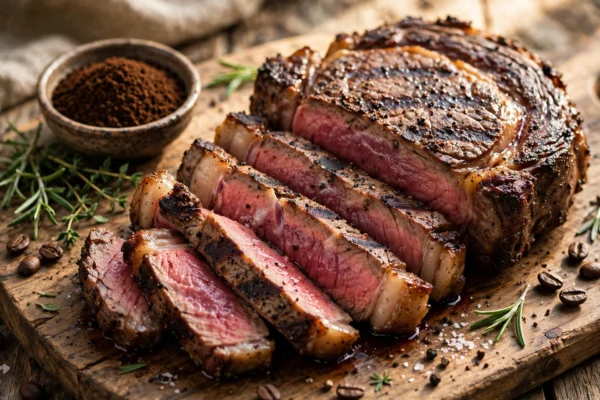
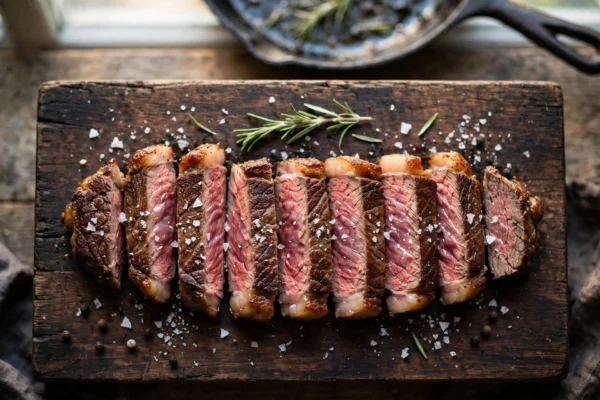
Exploring the Technical Architecture of SteakRecipe.org
This platform was engineered to be more than a collection of instructions. It serves as a comprehensive database for the physics and chemistry of cooking beef. We have structured the site into specific modules that address every variable of the cooking process. From the initial selection of the meat to the final calculation of macros we cover the entire lifecycle of the steak. You will find that our content is divided into three primary pillars which are interactive tools, technical cooking methods, and ingredient analysis.
Precision Cooking with Our Digital Calculators
The core functionality of our site revolves around data. We understand that every piece of meat is unique in its dimensions and density. Our suite of calculators allows you to input these specific variables to generate a custom cooking plan. This removes the guesswork that typically leads to inconsistent results in the home kitchen.
The Logic Behind the Steak Doneness Calculator
Internal temperature is the absolute standard for doneness. Our Doneness Calculator uses thermal conductivity data to predict how heat travels through meat of varying thickness. You simply enter the cut type and the exact thickness in inches. The algorithm then provides a pull temperature that accounts for carryover cooking. This is the phenomenon where heat continues to migrate from the exterior to the center after the meat leaves the pan. By anticipating this rise we ensure that your steak lands exactly on your target temperature of medium rare or medium.
Nutritional Tracking via the Calorie Calculator
Modern dietary needs require precise macronutrient tracking. Our Calorie Calculator distinguishes between the different fat contents of major beef grades. A USDA Prime Ribeye has a significantly higher caloric density than a Select Sirloin due to the intramuscular fat. Our tool allows you to select the specific cut and weight to receive an accurate breakdown of protein and fat grams. This feature is essential for users adhering to keto or high protein diets who need to manage their daily intake without sacrificing flavor.
Thermal Safety with the Sous Vide Calculator
Sous vide cooking involves maintaining a precise water temperature for an extended period. Our Sous Vide Calculator provides the pasteurization curves for beef. We tell you exactly how long a steak needs to remain in the bath to be safe for consumption based on its thickness. We also provide the texture guides that explain how the meat changes from firm to tender over long durations. This tool is vital for ensuring food safety while maximizing the tenderness of tougher cuts.
The Four Pillars of Heat Application
We categorize our recipe guides based on the method of heat transfer. Each method produces a different result and is suited for specific types of steak. Understanding the mechanics of these methods allows you to choose the right technique for the equipment you have available.
High Heat Dynamics of Pan Searing
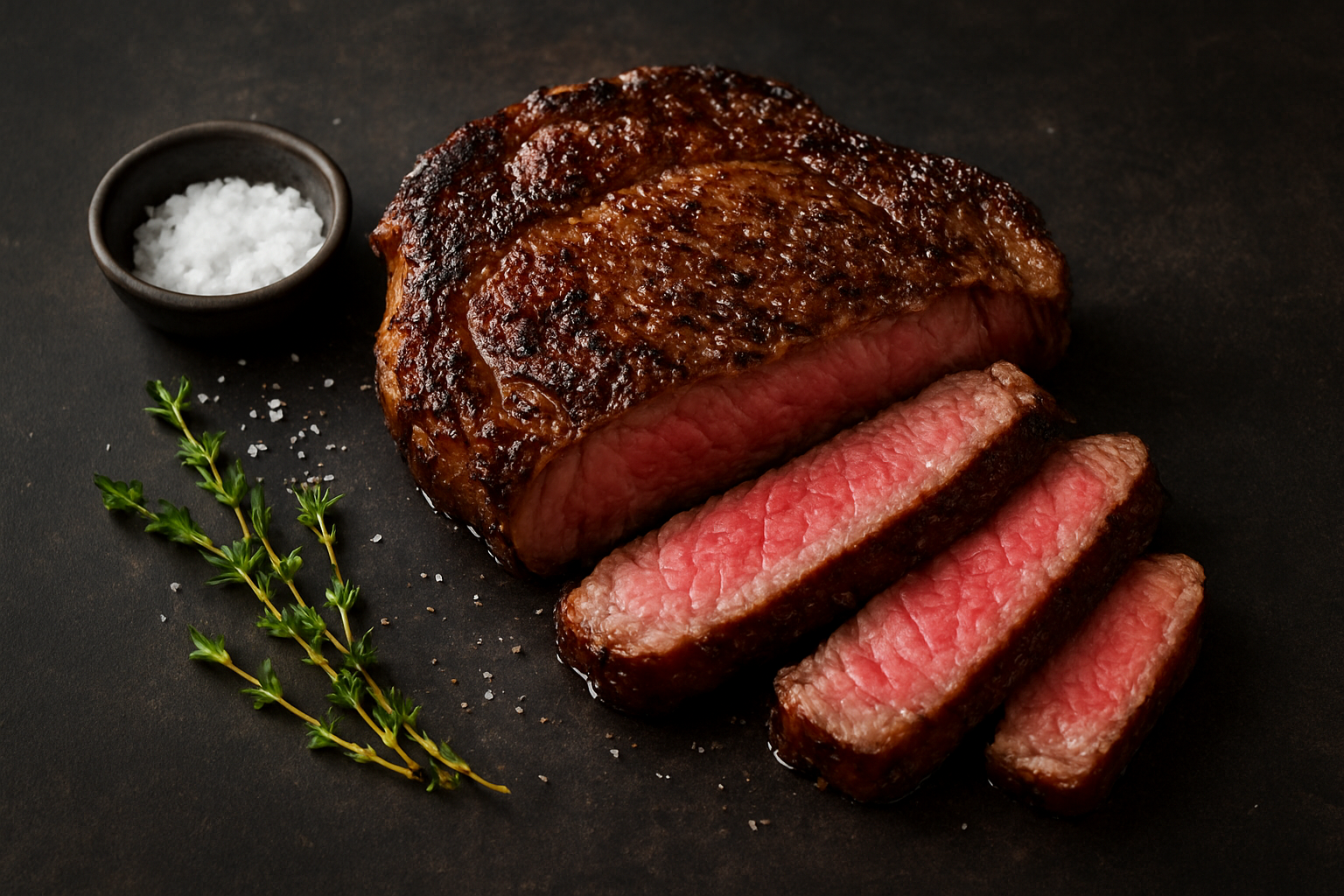
Pan searing is the most common method for cooking steaks at home. It relies on conduction to transfer heat directly from the metal pan to the meat surface. Our guides focus on the importance of preheating to achieve the Maillard reaction. This chemical process creates the savory brown crust that defines a great steak. We recommend heavy cookware like cast iron or carbon steel because they retain heat energy efficiently. You will learn how to manage the smoke point of your oil and when to add butter for the final basting phase.
The Even Heating of the Reverse Sear
The reverse sear is the preferred technique for steaks thicker than one and a half inches. This method separates the cooking process into two distinct stages. The first stage involves slow convection heating in a low oven to bring the internal temperature up evenly. The second stage is a rapid high heat sear to texturize the exterior. We explain why this method creates a uniform color from edge to edge and minimizes the grey band of overcooked meat. This section is the definitive resource for cooking expensive cuts like thick Ribeyes or Porterhouses.
Direct Fire and Grilling Protocols
Grilling adds a layer of flavor through the vaporization of dripping fats. Our grilling guides cover the management of zones on both gas and charcoal grills. We teach you how to set up a two zone fire to have a hot side for searing and a cool side for finishing. This control prevents flare ups that can deposit soot on the meat and ruin the flavor. We also cover the use of wood smoke to enhance the natural aroma of the beef.
Hydrothermal Cooking with Sous Vide
Sous vide removes the risk of overcooking by using water as the heat transfer medium. Our guides explain how to vacuum seal the meat to prevent moisture loss. We cover the post bath searing process which is critical for texture. You will learn which aromatics work best inside the bag and which ones should be added later. This method is the ultimate solution for consistency and we provide the technical data to execute it perfectly.
The Encyclopedia of Beef Cuts
The anatomy of the cow dictates the texture and flavor of the steak. We have organized our content by muscle group so you can match the cut to the cooking method.
Understanding the Loin and Rib Primal Cuts
These sections produce the most tender steaks because the muscles do very little work. Our profiles on the Ribeye detail the complex structure of the spinalis cap and the central eye. We explain how to render the heavy marbling without burning the outside. The Filet Mignon section focuses on handling lean tissue that dries out quickly. We provide strategies for adding fat through bacon wrapping or compound butters. The New York Strip guides focus on rendering the thick external fat cap to maximize flavor.
Maximizing Value with Working Cuts
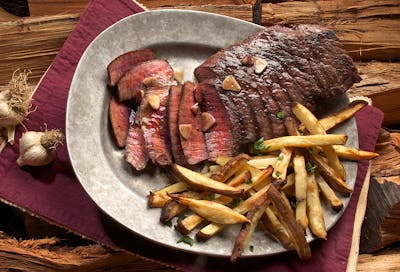
Steaks from the shoulder and belly are tougher but pack more beefy flavor. Our guides on Flank and Skirt steak explain the importance of slicing against the grain. These muscles have long fibers that must be physically shortened by the knife to be chewable. We also cover the Flat Iron and Hanger steaks which are favorites among butchers. You will learn the specific marinade techniques that help break down connective tissue in these denser cuts.
Advanced Technical Guides and Resources
Beyond recipes and tools we provide deep dives into the science of kitchen preparation. These resources address the variables that occur before and after the cooking process.
The Science of Salt and Brining
Salt is the primary agent of change in cooking. Our guides on dry brining explain how osmosis draws moisture out of the cells to dissolve the salt before reabsorbing it. This process denatures the proteins and increases tenderness. We recommend specific timing for salting based on the thickness of the meat. You will learn why coarse kosher salt is superior to table salt for coverage and absorption.
Thermodynamics of Resting Meat
Resting is the final step of every recipe on our site. We provide the scientific explanation for why muscle fibers constrict under heat and relax during cooling. Our charts give you the exact resting times needed to ensure the juices redistribute throughout the steak. We explain the difference between resting on a warm plate versus a wooden board and how ambient temperature affects the final result.
Equipment Selection and Maintenance
The tools you use are just as important as the ingredients. Our equipment reviews focus on the thermal properties of different metals. We explain why cast iron is essential for searing due to its high volumetric heat capacity. We also cover the calibration of digital thermometers to ensure your data is accurate. You will find guides on maintaining your cookware to prevent rust and ensure a non stick surface for years to come.
The Philosophy of Data Driven Results
SteakRecipe.org is built on the belief that cooking is a science that can be mastered by anyone. We reject the idea that a great meal is the result of luck or intuition. By providing you with the hard data regarding temperatures and timing we empower you to take control of your kitchen. Every section of this site from the calculator inputs to the cut descriptions is designed to give you a repeatable system for success. We invite you to explore these resources and apply the physics of the sear to your next meal.