
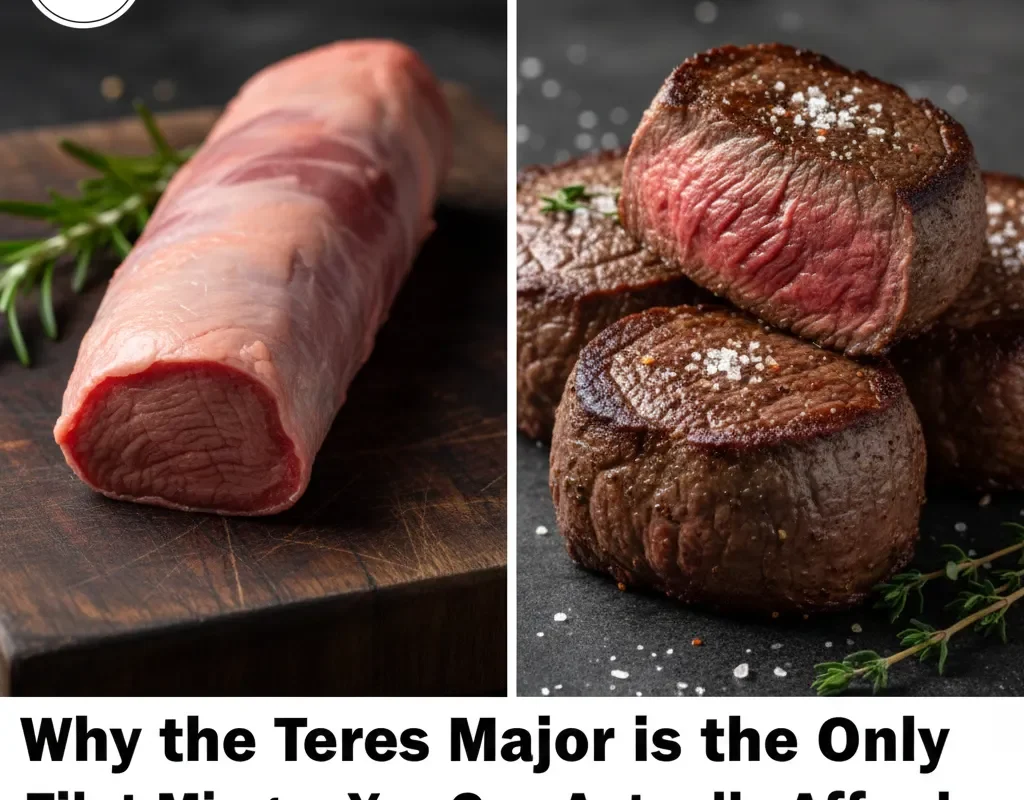
The modern steakhouse experience has become an exercise in financial endurance rather than culinary exploration. As the price of prime-grade beef continues to climb in 2026, the average consumer finds themselves backed into a corner where they must choose between a chewy, flavorless supermarket sirloin or a triple-digit investment in a centerpiece tenderloin. Most diners instinctively reach for the filet mignon when they desire a “melt-in-your-mouth” texture, unaware that they are paying a massive premium for brand recognition rather than biological superiority. There is a hidden muscle tucked away in the shoulder of the cow that provides nearly identical tenderness for a fraction of the cost. This is the Teres Major steak, and it is the ultimate “insider” secret for anyone who wants to eat like a king on a commoner’s budget.
The Teres Major, often marketed as the “Petite Tender,” represents the pinnacle of value in the beef world. It is a small, spindle-shaped muscle that sits on the shoulder blade, yet it shares the same structural characteristics as the most expensive cuts on the animal. While the rest of the chuck primal is known for its tough, hardworking muscles that require hours of braising to become edible, the Teres Major remains remarkably soft. This discrepancy exists because of a simple quirk of bovine anatomy. The muscle does virtually no heavy lifting, which prevents it from developing the thick bands of collagen and connective tissue that make other shoulder cuts so difficult to chew.
The Petite Tender Advantage of Teres Major Steak
The Teres Major is a lean, cylindrical muscle from the chuck primal that delivers Filet Mignon-level tenderness due to its lack of connective tissue. It offers superior flavor at a 60% lower price point.
The Biological Secret of Muscle Laziness
Tenderness in beef is largely a function of how much work a muscle performs during the animal’s life. The muscles that move the legs or support the weight of the frame become dense and fibrous, requiring slow cooking methods to break down their structural proteins. Conversely, the tenderloin sits along the spine where it experiences very little tension. The Teres Major follows this same principle of laziness. It is tucked into a protected pocket near the scapula where its primary role is minor stabilization rather than locomotion. This anatomical “free ride” results in a muscle fiber that is incredibly fine and delicate.
When you cut into a Teres Major, you will notice a grain structure that is almost indistinguishable from a center-cut filet mignon. The fibers are tight, lean, and lack the heavy marbling of a ribeye, which is exactly why it appeals to tenderloin lovers. However, the Teres Major actually holds a significant advantage over the filet in the flavor department. Because it is located in the shoulder, it benefits from the increased blood flow and mineral density characteristic of the chuck primal. This gives the meat a deeper, more robust beef flavor that avoids the metallic or “bland” notes sometimes associated with mass-market tenderloin.
The Butcher’s Challenge and the Scarcity Factor
You might wonder why a cut this incredible isn’t sitting in the front row of every grocery store meat case. The reason is twofold: labor and yield. A single beef carcass only yields two Teres Major steaks, each weighing roughly eight to twelve ounces. Because they are so small and require a high level of skill to extract, many high-volume processing plants simply grind them into burger meat along with the rest of the shoulder. Extraction requires a butcher who knows how to navigate the complex musculature of the shoulder to pull the “petite tender” out whole without nicking the surface.
This scarcity is exactly why the Teres Major remains an affordable secret. It is too small for big-box retailers to build a consistent national marketing campaign around, yet it is a prized possession for local butchers who take pride in “seam butchery.” To find this cut, you must step away from the pre-packaged styrofoam trays and speak directly to a butcher. Asking for it by its technical name or as the “IMPS 114F” signals to the butcher that you are an educated buyer. They will often have a few tucked away in the back or can set them aside for you at a price that usually sits around twelve to fifteen dollars per pound, compared to the thirty or forty dollars you would pay for a tenderloin.
Technical Side-by-Side: Teres Major Versus Filet Mignon
When we look at the metrics that matter to a steak lover, the Teres Major holds its own across every category. In terms of sheer tenderness, the tenderloin still holds the crown as the softest muscle on the animal, but the Teres Major sits firmly in the number two spot. On the “Warner-Bratzler Shear Force” scale, which scientists use to measure the force required to bite through meat, the Teres Major consistently scores close enough to the tenderloin that the human palate can rarely tell the difference in a blind taste test.
Economically, the gap is even wider. When you purchase a whole tenderloin, you often have to deal with the “chain” and a significant amount of silver skin that must be trimmed away, leading to a high percentage of waste. The Teres Major is almost 100% yield. Once the thin outer membrane is removed, every ounce of that steak is edible. You are paying for pure, usable protein. Furthermore, the cylindrical shape of the Teres Major makes it incredibly easy to portion. You can roast it whole like a miniature Chateaubriand or slice it into medallions that look identical to expensive filet mignons once they hit the plate.
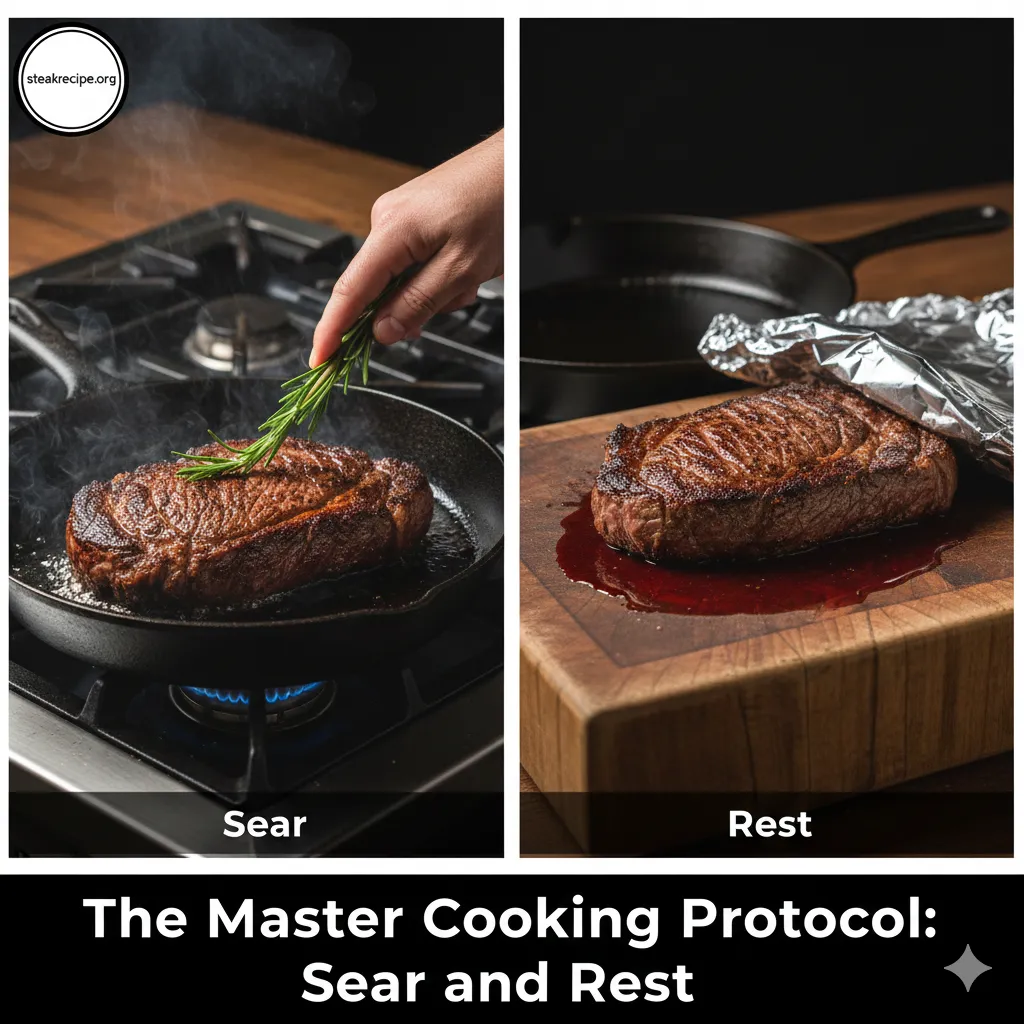
The Master Cooking Protocol: Sear and Rest
Because the Teres Major is exceptionally lean, it requires a more disciplined approach to heat management than a fatty ribeye. There is no intramuscular fat to act as a buffer against overcooking, which means the window between a perfect medium-rare and a dry, tough disaster is narrow. The best way to respect this cut is to use a high-heat sear followed by a very gentle finish. I recommend a heavy cast iron skillet and a high-stability fat like beef tallow to ensure you get a mahogany crust without burning the meat.
Start by patting the steak completely dry and seasoning it heavily with salt. Sear the outside of the roast for two minutes per side until a dark crust forms. Once you have achieved the desired color, lower the heat or move the pan into a 300-degree oven until the internal temperature reaches exactly 130 degrees. This is the “sweet spot” for the Teres Major. Anything beyond medium will cause the lean fibers to tighten and lose that signature silkiness. Most importantly, you must let this cut rest for at least ten minutes. Because the fibers are so fine, they need time to relax and reabsorb the juices that the heat pushed toward the center.
Flavor Pairing and 2026 Dietary Trends
In 2026, the trend toward “functional eating” has made the Teres Major even more relevant. Fitness-conscious eaters are looking for high-protein, low-fat options that don’t sacrifice the luxury experience of a weekend steak. The Teres Major fits this profile perfectly. It provides the iron and B-vitamins of red meat without the heavy caloric load of a marbled ribeye. It is the “performance filet” for the modern athlete.
To elevate the flavor, look toward classic French pairings. A simple pan sauce made from shallots, red wine, and a cold knob of butter will cling to the lean surface of the Teres Major medallions perfectly. Because the meat has a slightly more “ferrous” and earthy taste than a standard filet, it stands up remarkably well to bold aromatics like rosemary or crushed peppercorns. You are not just saving money; you are engaging with a more complex flavor profile that most steakhouse diners never get to experience.
Frequently Asked Question about Teres Major Steaks
Many people ask if they can substitute a “Mock Tender” for a Teres Major. You must avoid this at all costs. The Mock Tender is a different muscle entirely that is notoriously tough and fibrous. The Teres Major is the only muscle in the chuck that earns the “tender” title. To ensure you are getting the right cut, look for the cylindrical shape and the absence of a heavy middle vein of gristle.
The Teres Major is not just a cheap alternative to the filet mignon; it is a superior choice for the informed cook. It represents a rare opportunity to beat the system and enjoy a luxury product at a wholesale price. By understanding the anatomy of the animal and building a relationship with a skilled butcher, you can serve a world-class meal that leaves your guests wondering how you managed to afford such an expensive-looking spread. The secret is in the shoulder, and once you have tasted a perfectly rested Petite Tender, you will likely never look at a overpriced filet mignon the same way again.
Visualizing the Teres Major: Texture & Technique
Why This Video Matters
This demonstration by Forager Chef provides a high-definition look at the unique cylindrical grain of the Teres Major. It specifically confirms the “Petite Tender” nomenclature and shows the exact searing window required to maintain the 2mm crust without overcooking the lean interior.
Key Timestamp: Observe the resting period at the end—essential for the reabsorption of juices in low-fat muscles.
View Original Source