
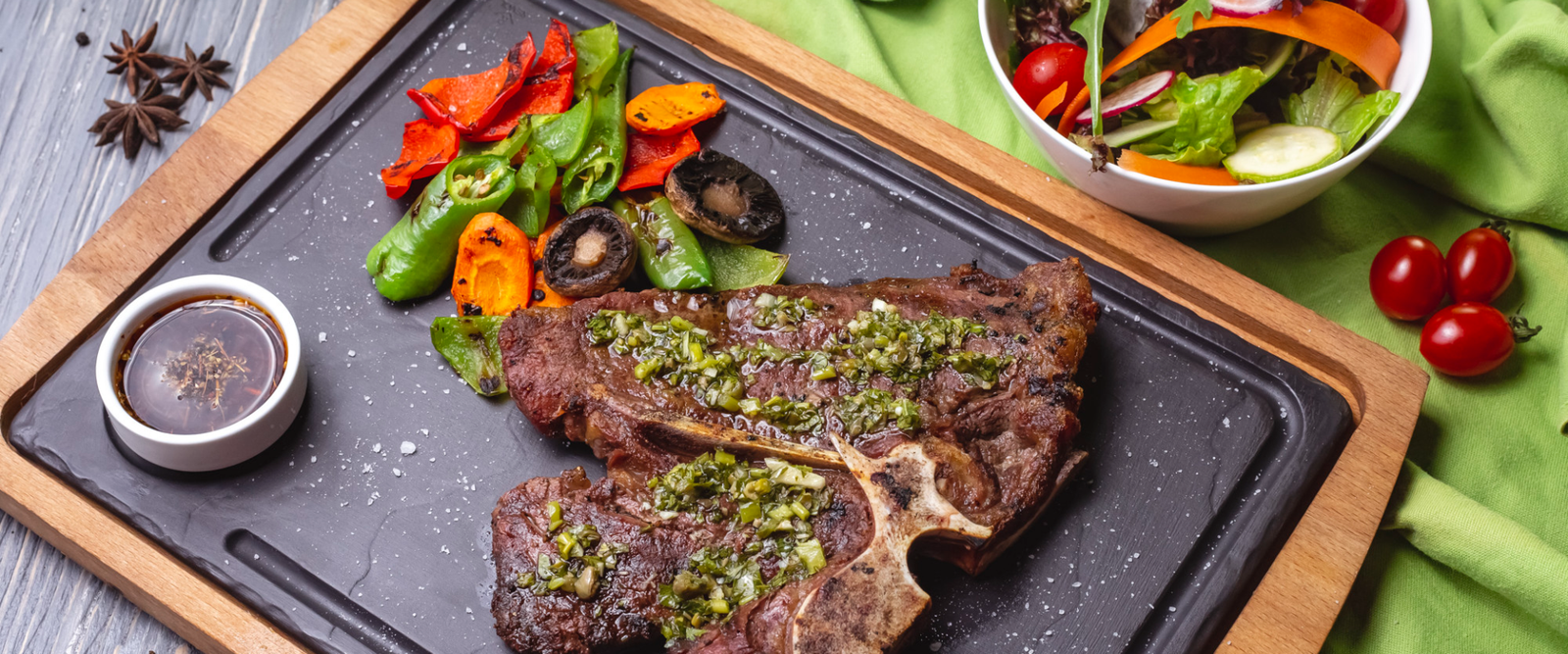
A lot of older guides still call hanger steak a “secret” cut or a “butcher’s secret,” but that ship sailed years ago. It’s on steakhouse menus, in supermarket meat cases, and all over food blogs. What those older articles get wrong is the safety advice — several still recommend pulling it well below the USDA’s minimum, which isn’t a risk worth taking with this particular cut. This guide covers what actually matters in 2026: how to buy it, how to cook it without ruining the texture, and which alternatives make sense if your butcher is out.
What Is Hanger Steak?
Hanger steak comes from the plate section of the cow the lower belly, where the steak literally hangs from the diaphragm. It’s also known as “butcher’s steak” because butchers historically kept it for themselves rather than putting it out for sale.
It sits in the same general area as flank and skirt steak, but it isn’t the same cut. Flank steak is lean and flavorful but tougher, while hanger steak is generally considered the more tender, more flavorful option of the two. There’s only one hanger steak per cow, which is part of why it’s harder to find than flank or skirt.
Why Hanger Steak Became Popular
For decades, hanger steak was a butcher’s perk too small a yield to bother stocking at retail, but too good to throw in with ground beef. That changed as nose-to-tail cooking and bistro-style menus pushed underused cuts into the spotlight. Demand has grown enough that the price gap with more common cuts has started to close, even though it’s traditionally been one of the less expensive options.
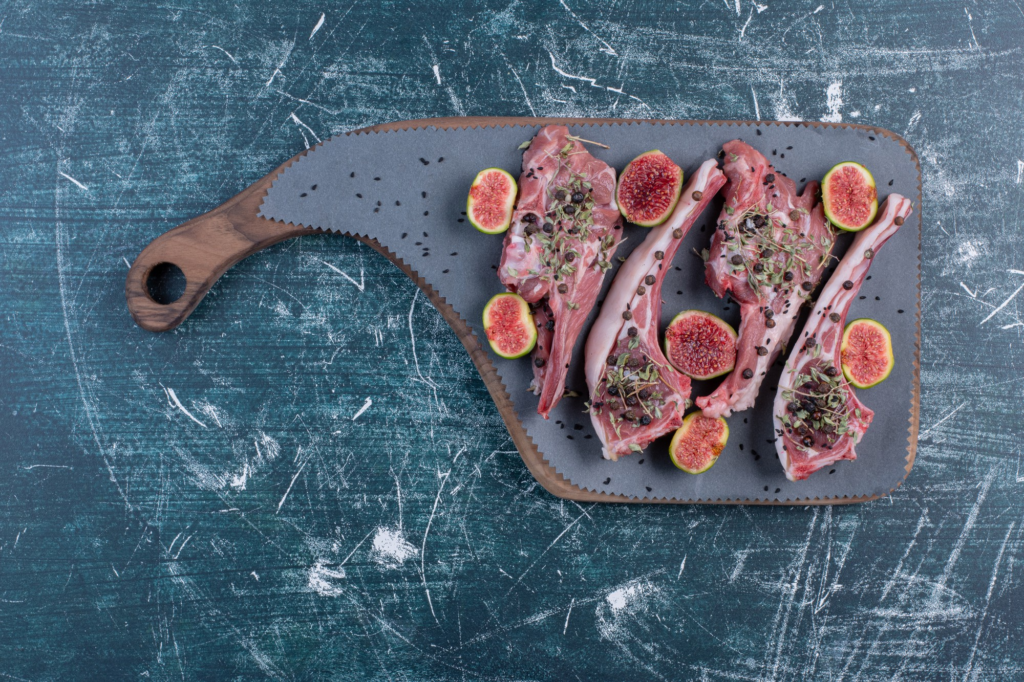
The flavor is the real draw. It’s beefier than a lot of leaner cuts, with enough natural marbling to stay juicy without the heavy fat cap of a ribeye.
What Still Works in 2026
The fundamentals haven’t changed, and that’s the point — this isn’t a cut that needs a trendy technique:
- High, fast heat. A hot cast iron skillet or a grill at 450°F sears the outside before the inside overcooks. A common approach is grilling for 2–3 minutes per side at that temperature.
- Pull it early. Hanger steak dries out fast past medium. Cooking to an internal temperature around 120–125°F before resting, which carries it into the medium-rare range, is a widely used target.
- Rest it. USDA guidance calls for resting any beef steak for at least three minutes after cooking, which lets the temperature stabilize and juices redistribute.
- Cut against the grain. Hanger steak has a coarse, visible grain. Slicing with it instead of across it is the single most common reason people think the cut is “tough” when it isn’t.
- Marinate if you want, but it’s optional. A short marinade (soy sauce, garlic, citrus) adds flavor but won’t meaningfully tenderize a cut this size in under an hour.
What People Still Get Wrong
A few mistakes show up repeatedly in older content and home cooking alike:
- Cooking it past medium. Hanger steak’s connective tissue makes it forgiving up to medium, but past that point it turns chewy fast — the opposite problem of a slow-braised cut.
- Skipping the thermometer. Only a small percentage of home cooks actually use a food thermometer when grilling, despite it being the only reliable way to confirm safe internal temperature. Guessing by color or touch is unreliable, especially with a cut this thin.
- Treating it like a cut for very rare or “blue rare” service. Tougher, coarse-grained cuts like hanger steak tend to read as mushy rather than tender at very low temperatures, since there isn’t enough heat to render the connective tissue properly.
- Cutting with the grain. Already mentioned above, but it’s worth repeating — it’s the most common complaint about texture, and it’s almost always a cutting-technique issue, not a quality issue.
Is Hanger Steak Safe to Eat?
Yes, when it’s handled and cooked correctly. The USDA’s Food Safety and Inspection Service recommends cooking whole cuts of beef including steaks to a minimum internal temperature of 145°F, measured with a food thermometer, followed by a rest of at least three minutes.
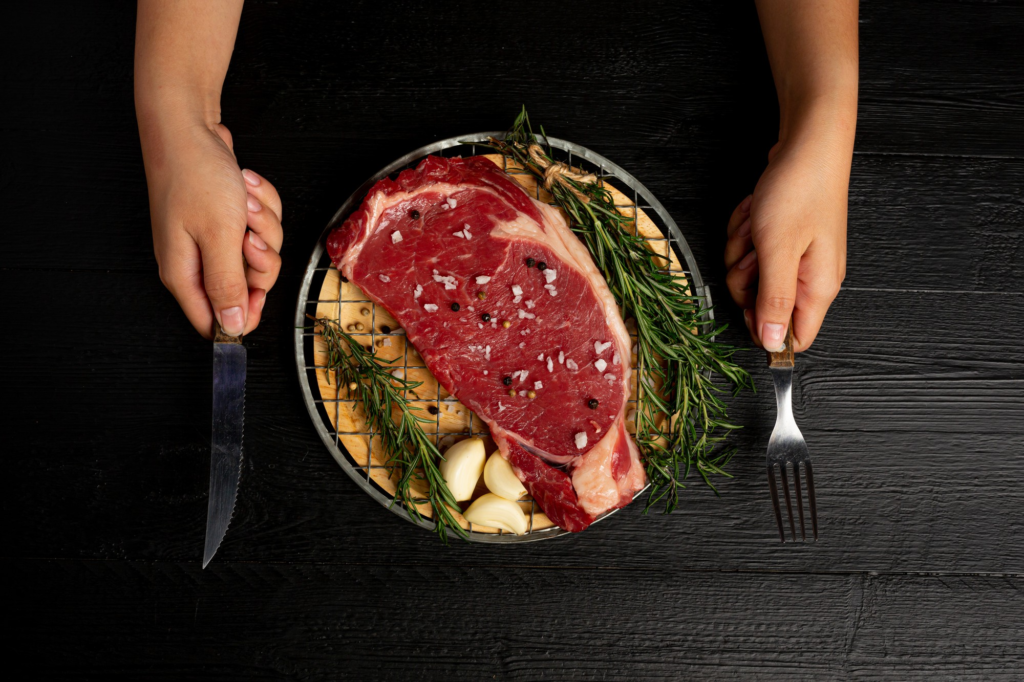
That said, plenty of cooks including many restaurants serve hanger steak at medium-rare (closer to 130–135°F), which falls below the USDA’s minimum. The USDA’s recommendation exists for food safety reasons specifically, separate from personal taste preference, and consumers who choose a lower temperature are making that trade-off knowingly. If you’re cooking for anyone with a compromised immune system, pregnant, very young, or elderly, sticking to the USDA minimum is the safer call. For everyone else, it’s a personal choice just make it an informed one with a thermometer in hand rather than a guess.
Better Alternatives
If your butcher is out of hanger steak, or you want to compare value, here’s how it stacks up against the cuts most often substituted for it:
| Cut | Tenderness | Flavor | Typical Price | Best Cooking Method |
|---|---|---|---|---|
| Hanger steak | High (if cut correctly) | Very beefy | Mid-range, rising | Pan-sear or grill, high heat |
| Flank steak | Moderate | Beefy, leaner | Lower | Marinate, grill, slice thin |
| Skirt steak | Moderate | Very beefy, slightly fattier | Mid-range | High heat, often cooked to medium-well since it’s leaner and thinner |
| Flat iron steak | High | Mild-beefy | Mid-range | Pan-sear, similar to a strip steak |
| Bavette | High | Beefy, juicy | Mid-range to higher | Grill or pan-sear, slice against grain |
Flat iron is the closest substitute if tenderness is your top priority. Skirt steak is the closest in flavor intensity but needs more attention to avoid overcooking.
Is Hanger Steak Worth the Price?
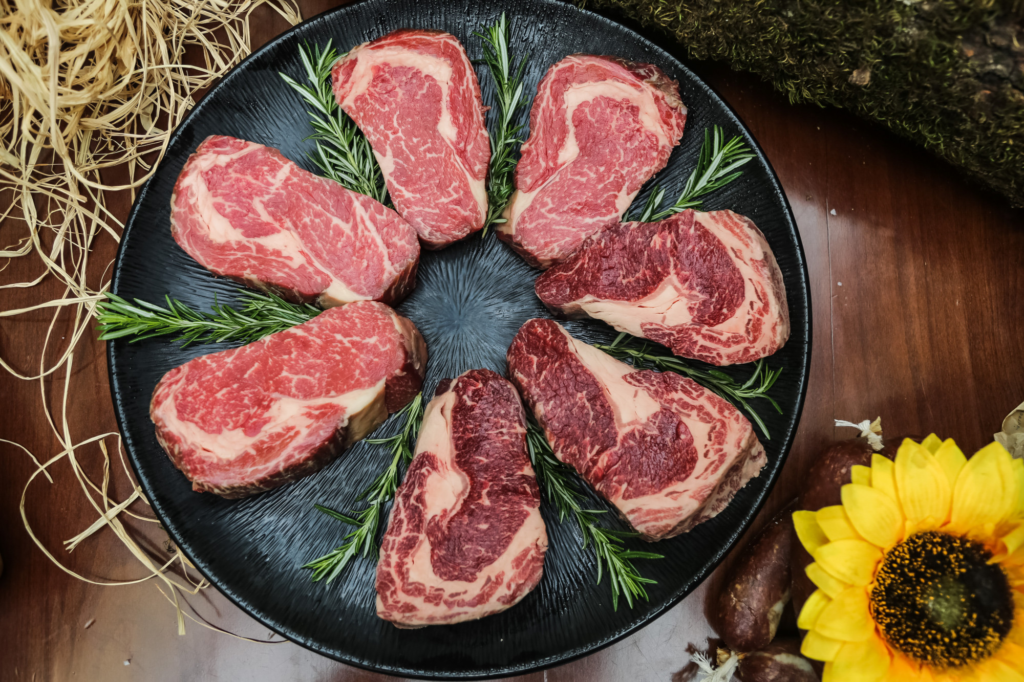
It depends on what you’re optimizing for. Hanger steak comes from the short plate primal, the same general area as flank and skirt, and has historically been one of the cheaper cuts though pricing has crept up as more home cooks and restaurants ask for it. If you’re comparing it strictly to flank or skirt on a per-pound basis, you’ll often pay a bit more for hanger steak today. If you’re comparing it to ribeye or filet, it’s still a clear value, with comparable flavor intensity for a fraction of the price.
Should You Still Buy Hanger Steak in 2026?
If you can find it and you like a beefy, slightly chewy-in-a-good-way texture, yes. It’s not the cut for someone who wants a fork-tender filet experience, and it’s not forgiving if you overcook it but cooked correctly and sliced against the grain, it’s one of the better value-to-flavor cuts available. The main practical hurdle is availability: because there’s only one per animal, not every butcher counter stocks it regularly, so calling ahead is often worth it.
FAQs
Is hanger steak the same as skirt steak?
No. They come from the same general area of the cow but are different muscles. Hanger steak is generally more tender and has a thicker, single-piece shape, while skirt steak is longer and flatter.
What temperature should I cook hanger steak to?
For food safety, USDA guidance is a minimum internal temperature of 145°F with at least a three-minute rest. Many cooks pull it earlier, around 125–135°F, for medium-rare, which is a personal choice rather than a safety recommendation.
Why is my hanger steak tough?
Most often it’s one of two things: it was cooked past medium, or it was sliced with the grain instead of against it. Both are easy to fix on the next attempt.
Can I marinate hanger steak overnight?
You can, but it’s not necessary for tenderness — it mainly adds flavor. A marinade of a few hours to overnight is fine; beyond 24 hours, the texture can start to break down too much.
What’s the best way to cook hanger steak at home without a grill?
A hot cast iron or stainless steel skillet works well. Searing for 2–3 minutes per side, then finishing in a 400°F oven for a few minutes until it hits your target internal temperature, is a reliable stovetop-to-oven method.
Final Thoughts
Hanger steak earns its reputation when it’s handled right: hot, fast cooking, a thermometer instead of a guess, a proper rest, and a clean cut against the grain. The cut hasn’t changed — what’s changed is how easy it is to find and how much more cooks now know about getting it right. If you’ve had a tough or chewy hanger steak before, it’s almost certainly a technique issue rather than a flaw in the cut itself, and it’s an easy one to fix next time.
Related content