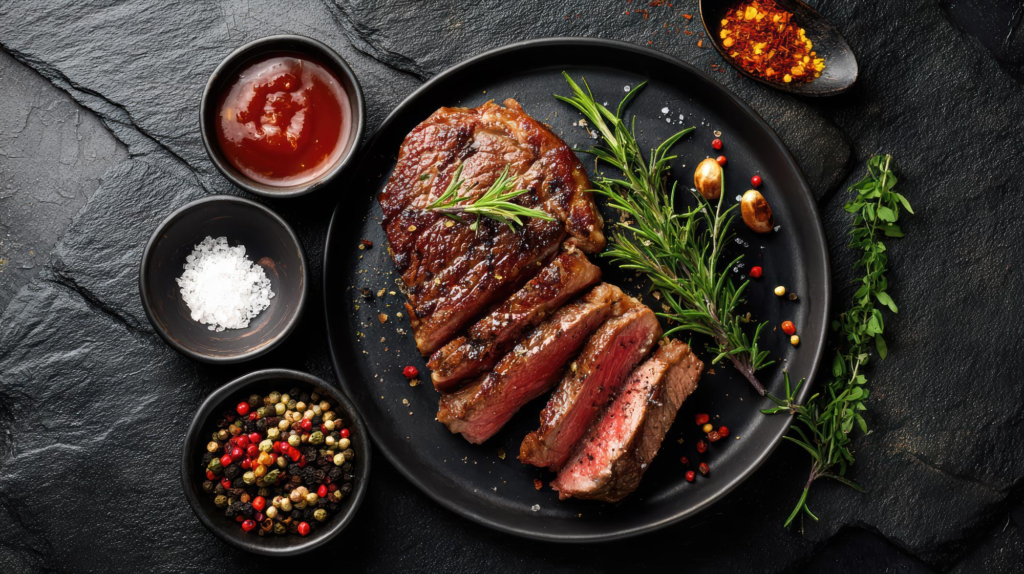
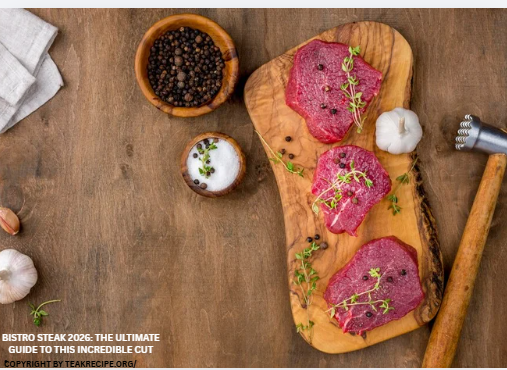
Most articles about bistro steak treat it like a single, simple cut. They aren’t. After researching dozens of sources and digging into how butchers actually break down the chuck, it’s clear there’s a real confusion problem online one that leaves home cooks buying the wrong steak or cooking it the wrong way. This guide cuts through the noise, explains exactly what bistro steak is (and isn’t), and shows you how to cook it perfectly in 2026.
What Is a Bistro Steak?
Bistro steak is not a single standardized USDA cut. That’s the first thing most articles fail to mention. The term is used commercially to describe any lean, quick-cooking steak served in a French bistro style but in the American butcher world, it most commonly refers to the teres major, also known as the petite tender, shoulder tender, or bistro filet.
The teres major is a single muscle extracted from the chuck primal the shoulder section of the cow. It sits tucked inside the shoulder clod, adjacent to the flat iron steak. Because the muscle performs only a limited range of motion (rotating the shoulder blade), it stays remarkably tender despite coming from a heavily worked part of the animal.
According to Wikipedia’s entry on beef cuts, the teres major is formally classified as the beef shoulder petite tender in US beef nomenclature. It is shaped like a small pork tenderloin, typically weighing under one pound per piece, with fine grain and minimal connective tissue.
What makes this cut confusing: some retailers use “bistro steak” loosely to label beef top round steaks, bottom sirloin cuts, or even NY strip prepared in a bistro cooking style. If you see “bistro steak” on a menu, the preparation method matters as much as the cut itself.
Why Bistro Steak Became Popular
The teres major cut gained attention in the early 2000s as professional chefs began hunting for economical alternatives to filet mignon. The muscle delivers near-filet tenderness at a fraction of the cost which is exactly why restaurant kitchens loved it first.
The “bistro” label comes from French bistro cooking tradition. French bistros built their reputation on turning humble, affordable cuts into something elegant through smart cooking: high-heat searing, compound butters, quick pan sauces. A cheap shoulder cut, cooked correctly, fits that philosophy perfectly.
Home cooks started paying attention once butcher-to-consumer meat delivery services like Porter Road and Crowd Cow began offering the teres major cut directly. According to Crowd Cow’s petite tender guide, this cut is rarely found in grocery stores because it requires a skilled butcher more time to extract cleanly most large processors simply leave it in the shoulder roast or grind it.
The result: bistro steak became a “butcher’s secret,” a cut that meat professionals knew about but most consumers didn’t. That mystique drove demand.
What Makes Bistro Steak Worth Cooking in 2026
The reasons to cook bistro steak haven’t changed and in 2026, with beef prices higher than ever, the value argument is stronger.
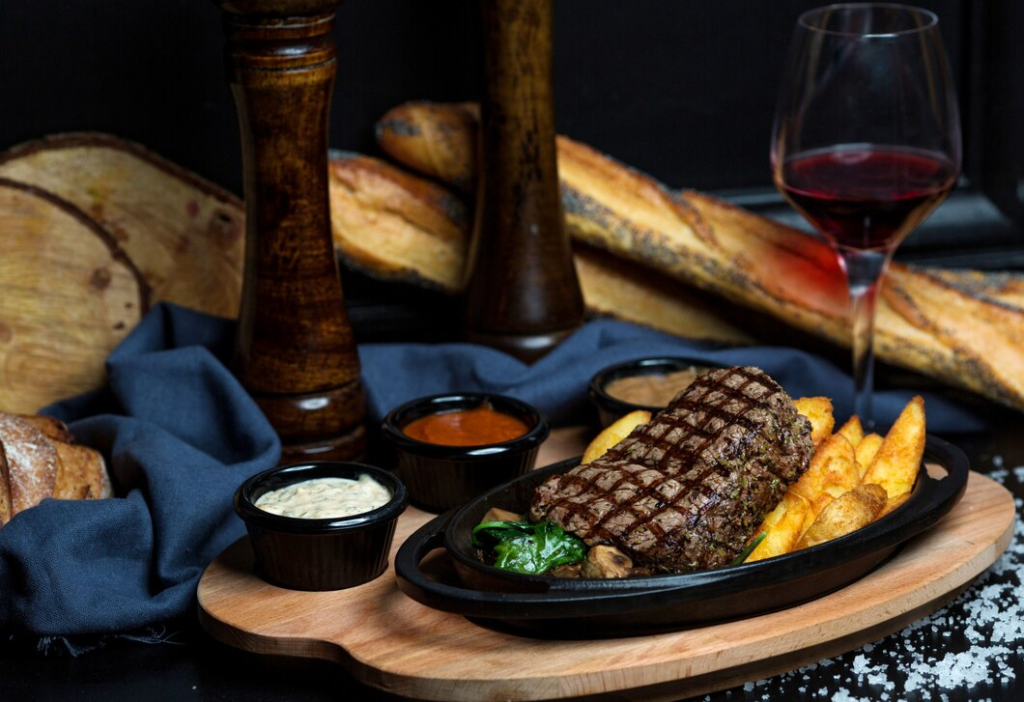
- Tenderness — The teres major ranks as the second most tender muscle on the animal, behind only the tenderloin. During research, multiple independent butcher sources confirmed this, including Craft Beering’s teres major breakdown.
- Flavor depth — Because it comes from a working primal (the chuck), it carries more beefy flavor than filet mignon, which is relatively mild. You get tenderness and taste in the same bite.
- Fast cook time — At under one pound, the whole muscle cooks in under 15 minutes. It works for weeknight meals, not just dinner party centerpieces.
- Price — Typically 30–50% less expensive than beef tenderloin per pound at comparable quality.
The cut also works exceptionally well with simple seasonings. Because the lean, fine-grained muscle absorbs marinade quickly, even 30 minutes of seasoning makes a meaningful difference.
How to Cook Bistro Steak Correctly
This is where most online guides fail. They give generic steak advice — “season and grill” — without accounting for the teres major’s specific characteristics: lean, low-fat, cylindrical shape, fine grain.
The two best methods:
Pan Searing (Recommended)
- Pat dry thoroughly — moisture is the enemy of a good crust on a lean cut
- Season generously with kosher salt and cracked black pepper at least 30 minutes ahead, or up to overnight in the fridge
- Heat a cast iron skillet until it is smoking — not warm, smoking
- Sear 2–3 minutes per side, rotating to hit all surfaces of the cylinder
- Baste with butter, garlic, and fresh thyme during the final minute
- Rest 5 minutes before slicing
Grilling
- Grill over direct high heat (450–500°F)
- For a 1-inch thickness: approximately 3–4 minutes per side for medium-rare
- Rotate the cut to ensure even searing on all sides given its round shape
- Pull at 125°F internal temperature — carryover cooking will bring it to 130–135°F (medium-rare)
Internal temperature targets (per USDA food safety guidelines):
| Doneness | Pull Temperature | Final Temperature |
|---|---|---|
| Rare | 120°F | 125°F |
| Medium-Rare | 125–130°F | 130–135°F |
| Medium | 135°F | 140–145°F |
| Well Done | Not recommended for this cut | — |
Critical: Do not cook bistro steak beyond medium. Its low fat content means it dries out quickly past 145°F, and you lose the entire textural advantage that makes this cut worth buying.
What Goes Wrong When You Cook Bistro Steak
Three consistent mistakes appear when researching how home cooks handle this cut:
- Overcooking it — More than any other mistake, pushing past medium-rare ruins the bistro steak. The meat turns grainy and dry because there is no fat marbling to compensate.
- Skipping the dry surface step — A wet steak steams instead of sears. Pat it completely dry before the pan, every time.
- Confusing it with mock tender — The mock tender (chuck tender) looks nearly identical in shape but is a completely different muscle. It is significantly tougher and requires braising. If your butcher gives you a mock tender labeled as bistro steak, you’ll be disappointed.
Bistro Steak vs. Similar Cuts: Which Should You Buy?
| Cut | Tenderness | Flavor | Avg. Price/lb | Best Method |
|---|---|---|---|---|
| Bistro Steak (Teres Major) | ★★★★★ | ★★★★☆ | $12–18 | Pan sear, grill |
| Filet Mignon | ★★★★★ | ★★★☆☆ | $30–50 | Pan sear, broil |
| Flat Iron | ★★★★☆ | ★★★★☆ | $10–16 | Grill, pan sear |
| Skirt Steak | ★★★☆☆ | ★★★★★ | $9–14 | High-heat grill |
| Denver Steak | ★★★★☆ | ★★★★☆ | $10–15 | Grill, reverse sear |
| Mock Tender | ★★☆☆☆ | ★★★☆☆ | $5–9 | Braise only |
For most home cooks who want filet-mignon tenderness without filet mignon prices, the bistro steak wins. For maximum beef flavor, flat iron or skirt steak edges it out.
Where to Buy Bistro Steak
Most standard grocery stores do not carry the teres major as a standalone cut — it gets folded into shoulder roasts or ground beef at large processing plants. Your best options in 2026:
- Local butcher shops — Call ahead and request the teres major specifically. A skilled butcher can pull it from a shoulder clod.
- Online meat delivery — Services like Porter Road, Crowd Cow, and Snake River Farms regularly stock petite tender or bistro filet.
- Specialty grocery stores — Whole Foods and similar retailers occasionally carry it, often labeled “petite tender medallions.”
When buying, look for a clean, cylindrical muscle with minimal silverskin. It should look like a small, slightly tapered log — not ragged or pieced together.
FAQs
What is the difference between bistro steak and petite tender?
They are the same cut — different names for the teres major muscle from the beef chuck. “Bistro steak” is a marketing name; “petite tender” or “shoulder tender” are the more standardized butcher terms. Some retailers also call it bistro filet.
Is bistro steak the same as mock tender?
No — this is one of the most common and damaging confusions. The mock tender (also called chuck tender) looks similar in shape but is a completely different muscle that works much harder. It is significantly tougher and should be braised, not pan-seared. The bistro steak (teres major) is genuinely tender.
What temperature should I cook bistro steak to?
Medium-rare (130–135°F final internal temperature) is ideal. Pull the steak from heat at 125–130°F and let carryover cooking finish the job during a 5-minute rest. Cooking beyond medium (145°F) is not recommended for this cut.
Can you marinate bistro steak?
Yes, and it responds better to marinades than most tender cuts because of its fine grain. Even 30 minutes in an acid-based marinade (citrus, wine, or vinegar) tenderizes and adds flavor. Overnight marinades work well too, but don’t go beyond 24 hours or the texture begins to break down.
How do I know if my butcher gave me the right cut?
The real teres major is smooth, cylindrical, and uniform roughly the size of a pork tenderloin. It should have minimal surface fat or connective tissue and look almost like a small beef tenderloin. If what you received looks chunky, irregular, or has heavy silverskin throughout, verify with your butcher — you may have the shoulder clod heart or mock tender instead.
Is bistro steak good for meal prep?
Yes. Cooked bistro steak slices beautifully thin and holds texture well for 3–4 days in the refrigerator. It works well in salads, grain bowls, and wraps. Reheat gently in a skillet over medium heat never microwave, which dries out lean cuts quickly.
Final Thoughts
Bistro steak remains one of the best-value cuts available in 2026 tender, flavorful, fast to cook, and significantly cheaper than filet mignon. The key is sourcing it correctly (teres major, not mock tender) and cooking it correctly (medium-rare, high heat, rest before slicing).
Most online articles on the topic either conflate the cut with generic bistro-style cooking or repeat the same basic butcher notes without addressing the real confusion points: the mock tender mixup, the importance of not overcooking a lean cut, and where to actually find it.
Related article
If you source a true bistro steak from a skilled butcher or quality online retailer, season it generously, sear it in a screaming-hot cast iron pan, and pull it at 125°F — you will have one of the best steaks you’ve cooked at home. The effort is minimal. The result is not.