
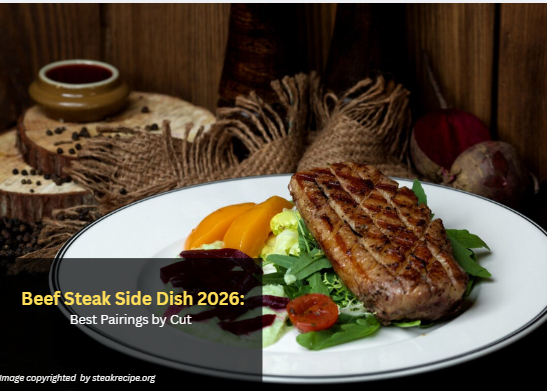
Every “best steak sides” list online gives you the same 10 things: mashed potatoes, fries, creamed spinach, done. What none of them explain is why certain sides work — and why pairing a ribeye with mac and cheese is actually a mistake. After researching dozens of steakhouse menus, chef interviews, and published food science, the answer comes down to one principle: your side dish needs to work against the cut, not with it. This guide covers every major beef steak cut with the side dish that actually fits it in 2026 — and explains the flavor logic behind each choice.
What Is a Beef Steak Side Dish?
A beef steak side dish is any accompaniment starch, vegetable, salad, or sauce served alongside a cut of beef to complete the meal.
But the real definition goes deeper than that. The job of any steak side is to solve a flavor problem the beef alone cannot. Rich, marbled cuts create palate fatigue — your taste buds tire of pure fat and umami after a few bites. A well-chosen side resets the palate between bites, making every forkful of steak taste as good as the first.
That is the whole principle. Everything else follows from it.
Why the Beef Steak Side Dish Became So Important
Steakhouse dining in the US was built around minimalism: a slab of beef, a baked potato, a wedge salad. For decades that was the formula, and nobody questioned it.
Two things changed. First, food culture shifted toward the whole plate social media and cooking content made people care about what the plate looked like and how every element contributed. Second, as premium cuts became more accessible to home cooks, the bar for the supporting elements rose with them.
Today, professional chefs consistently say the sides are what separate a good steak night from a genuinely memorable one. The beef steak side dish is no longer an afterthought it is half the meal.
The Science Behind What Works: Contrast, Umami, and Acid
Most articles skip this entirely. Here is what is actually happening on your plate.
Beef is loaded with umami compounds — specifically glutamate and inosinate. These are the chemical compounds responsible for deep savory satisfaction. When these compounds interact with your taste receptors, they trigger what researchers describe as long-lasting fullness and depth of flavor.
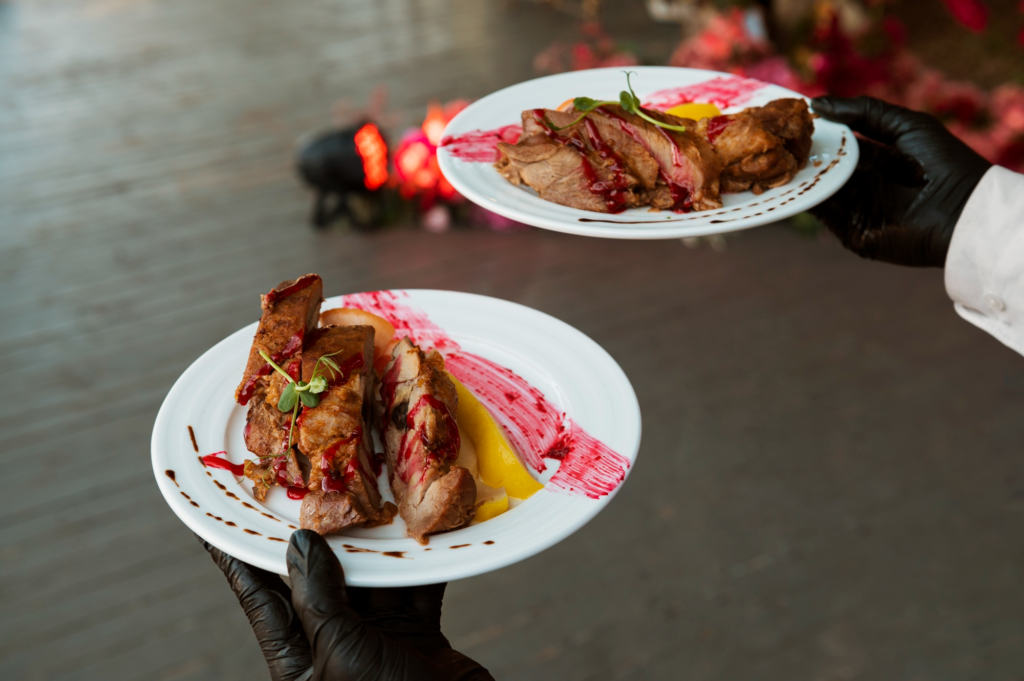
The problem: pure umami richness without contrast becomes overwhelming. Your palate reaches saturation point faster than you expect, especially with a fatty, well-marbled cut like ribeye or wagyu. Acid is the reset button. Lemon juice, balsamic vinegar, pickled elements, or a sharp vinaigrette all cut through fat and umami, refreshing the palate between bites. This is backed by food science research: acid compounds counteract the glutamate saturation that causes palate fatigue.
Bitterness works the same way. Arugula, Brussels sprouts, and radicchio all carry natural bitter compounds that provide contrast to beef’s savory depth.
What fails: pairing two high-umami, high-fat components together. A marbled ribeye with heavy mac and cheese or buttery truffle gratin means both components are fighting for the same flavor register. Neither wins — the meal feels heavy by the halfway point.
The correct framework:
- Rich, fatty steak → bright, acidic, or bitter side
- Lean, mild steak → rich, creamy, or earthy side
- Boldly flavored steak → equally bold or contrasting side
What Still Works in 2026
These sides have stood the test of time for good reason — the flavor logic is sound.
Garlic Butter Mushrooms (works with any cut) Mushrooms are high in glutamate. When paired with beef, which is high in inosinate, the two umami compounds create synergy — the combination is measurably more satisfying than either ingredient alone. Sauté in butter and garlic for 5–7 minutes until golden. Do not crowd the pan or they steam instead of brown.
Arugula Salad with Lemon (works best with ribeye, wagyu, NY strip) The most reliable side for any rich, fatty cut. Peppery arugula provides bitterness; lemon juice provides acid. Dress with good olive oil, shaved Parmesan, and flaky salt. Takes 60 seconds. Outperforms every cream-based side when the steak itself is already rich.
Creamed Spinach (works best with filet mignon, lean sirloin) Lean cuts lack the fat that makes a meal feel indulgent. Creamed spinach adds the richness the cut itself cannot provide. The key is squeezing the blanched spinach completely dry — skipping this step results in watery sauce. Finish with lemon juice to prevent heaviness.
Crispy Roasted Brussels Sprouts (works best with NY strip, sirloin) Halved, roasted cut-side down at 425°F until caramelized, finished with balsamic vinegar. The nutty bitterness and sweet acidity of the balsamic work against assertive, beefy cuts without overpowering them. Add bacon in the last 10 minutes for smokiness.
Chimichurri + Herbed Rice (works best with hanger, flat iron, skirt) These cuts have a stronger, more gamey flavor profile. Bright herb-heavy chimichurri — parsley, garlic, red wine vinegar, olive oil — provides the acid and freshness they need. Rice absorbs the steak juices without competing.
What No Longer Works Reliably
These are the pairings that appear on every list but fail in practice:
- Heavy mac and cheese with ribeye — two extremely rich components create palate fatigue within three bites. Mac and cheese belongs with leaner, milder cuts only
- Honey-glazed sweet potato mash with savory beef — the sweetness creates what food pairing experts describe as flavor conflict, making both the beef and the side taste metallic and off
- Plain boiled potatoes — no Maillard reaction, no caramelization, no texture. They add bulk and nothing else
- Raw onion as a garnish — sharpness fights beef’s richness instead of complementing it. Caramelized onions work; raw onions do not
- Corn on the cob at a formal plated dinner — excellent at a backyard grill, awkward alongside a premium cut in a serious sit-down setting
The pattern is consistent: sides that share the same flavor register as the steak, or that introduce sweetness without acid to balance it, create conflict rather than harmony.
Is the Right Beef Steak Side Dish a Health Consideration?
Yes — and it matters more than most steak articles acknowledge.
Beef is a strong source of protein, iron, zinc, and B vitamins per the USDA FoodData Central database. The cut itself is nutritionally complete from a protein standpoint. What it lacks is fiber, which is where the side dish becomes genuinely important for digestion and satiety.
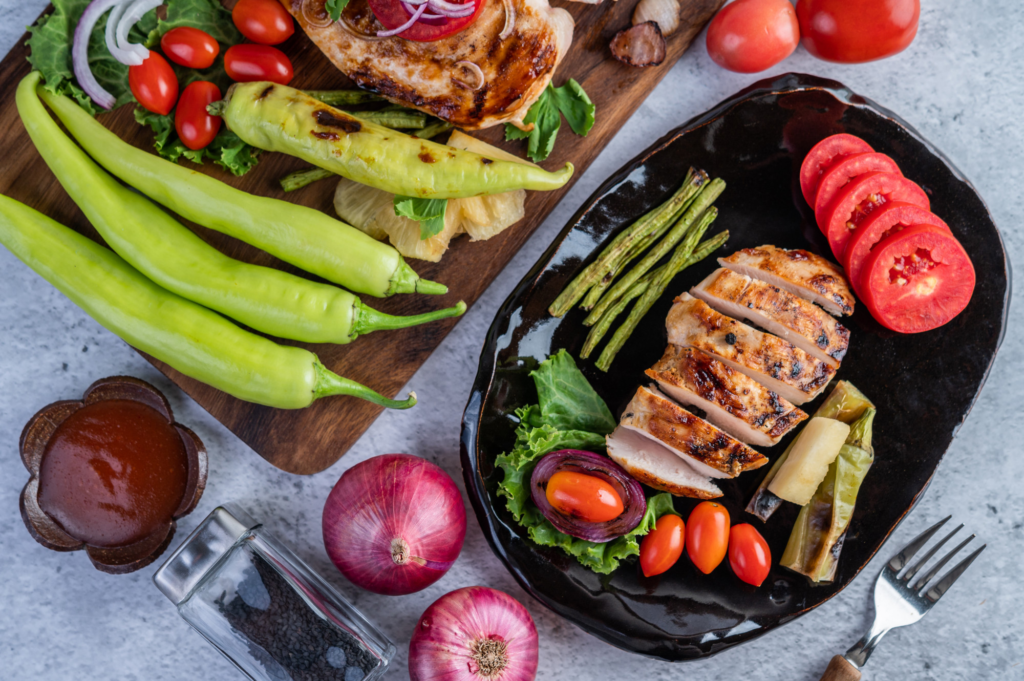
Vegetable-based sides — roasted asparagus, sautéed green beans, Brussels sprouts, broccoli — add fiber, vitamins C and K, and antioxidants with minimal added fat.
Preparation method matters significantly:
- Oven-roasted or air-fried vegetables at high heat deliver the same crisp texture as deep-fried versions with a fraction of the added fat
- Creamed spinach, potato gratin, and heavy mashed potatoes with cream add substantial saturated fat and calories — they are fine as an occasional choice, not as a daily steak pairing
For a health-conscious plate: pair any lean cut with two vegetable sides. For an indulgent occasion: pair a premium marbled cut with one creamy side and one bright salad.
The USDA Dietary Guidelines recommend filling half the plate with vegetables at any meal. With steak, that is easy to achieve and it actively makes the meal taste better.
The Complete Cut-by-Cut Pairing Guide
| Steak Cut | Fat Level | Best Side Dish | Why It Works | Avoid |
|---|---|---|---|---|
| Ribeye | Very high | Arugula + lemon salad | Acid and bitterness cut through heavy marbling | Mac and cheese, gratin |
| Filet Mignon | Very low | Creamed spinach or truffle fries | Richness compensates for lean cut | Plain salad alone |
| New York Strip | Moderate-high | Roasted mushrooms or Brussels sprouts | Bold umami mirrors the beefy character | Sweet glazed sides |
| Sirloin | Moderate | Roasted asparagus or garlic green beans | Clean vegetable contrast without overpowering | Heavy cream sides |
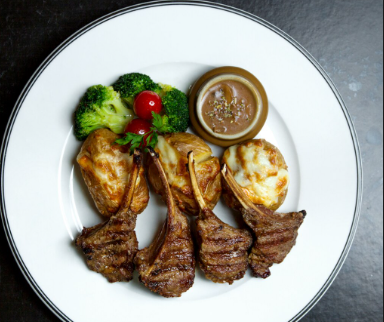
| T-Bone / Porterhouse | High | Baked or smashed potatoes | Absorbs the abundant bone-in juices | Nothing — potatoes are exactly right here |
| Hanger / Flat Iron | Moderate | Chimichurri + herbed rice | Bright herb acid balances the stronger beef flavor | Buttery cream sides |
| Skirt Steak | Low-moderate | Corn salsa or quick-pickled veg | Casual cut, bright acidic sides, ideal for weeknights | Heavy steakhouse classics |
| Wagyu | Extreme | Pickled vegetables or plain steamed rice | The marbling is the event — sides must stay minimal | Anything rich or sweet |
Is It Legal to Serve These Sides?
No regulatory rules govern what you plate alongside a steak at home or in a restaurant. For commercial kitchens, FDA food safety requirements govern storage, handling, and cooking temperatures — not the combination of dishes on a plate.
The one practical note: the USDA recommends cooking whole beef cuts to a minimum internal temperature of 145°F with a 3-minute rest. That applies to the steak itself, not the sides.
Should You Still Serve a Beef Steak Side Dish?
Every time, without exception.
From a nutrition standpoint: steak alone is a complete protein source but lacks fiber and micronutrients. A vegetable side fills that gap. From a flavor standpoint: the right beef steak side dish makes the steak itself taste better by providing palate contrast. You taste each bite of steak fresh instead of through accumulated fat and umami. From a practical standpoint: most sides can be prepared ahead of time — roasted Brussels sprouts, creamed spinach, mashed potatoes, mushrooms, and rice all reheat well. That means your full attention stays on the steak, which should always be cooked last and served immediately.
The only scenario where skipping a side makes sense is a quick weekday meal where time is the priority. Even then, a handful of arugula dressed in 90 seconds is a meaningful upgrade.
Frequently Asked Questions
What is the most popular beef steak side dish in 2026?
Garlic butter mushrooms and roasted Brussels sprouts consistently rank as the most popular sides across steakhouse menus and home cooking surveys. Both work with almost every cut, can be made ahead, and reheat well. Mashed potatoes remain the most searched option, though the best-performing version now typically includes roasted garlic and heavy cream rather than a basic butter-and-milk recipe.
What beef steak side dish works best with ribeye?
Arugula salad with lemon juice and shaved Parmesan. The peppery bitterness and acid from the lemon cut directly through the ribeye’s heavy fat content, resetting the palate between bites. It is the single most reliable pairing for a well-marbled cut. Roasted Brussels sprouts with balsamic are the second-best option.
What is the healthiest beef steak side dish?
Roasted asparagus, sautéed garlic green beans, or wilted spinach — all prepared with olive oil rather than butter. These add fiber, vitamins, and antioxidants while providing the acid or bitterness that makes the steak taste better. Air-fried broccoli with lemon zest is another strong option.
Can you serve rice as a beef steak side dish?
Yes — particularly for hanger steak, flat iron, and skirt steak. Garlic butter rice or herb-seasoned rice pairs well with chimichurri sauce and absorbs steak juices naturally. It is less traditional with premium cuts like filet or ribeye, where potatoes or vegetables are the expected pairing.
What beef steak side dish can be fully prepared in advance?
Creamed spinach, roasted Brussels sprouts, garlic butter mushrooms, mashed potatoes, and any grain-based side all reheat well. Prepare these 30–60 minutes before the meal. Make the steak last — it cooks in minutes and should be served immediately after resting.
Why does a salad make steak taste better?
The acid in the dressing — lemon juice or vinegar — counteracts umami saturation from the beef. After each bite of steak, acid resets your palate so the next bite registers with full flavor rather than through accumulated fat. This is why peppery, acidic greens like arugula are preferred over mild, sweet lettuce for steak pairings.
Final Thoughts
The beef steak side dish question has one real answer: match the side to the cut based on fat level and flavor intensity. After researching the science behind umami pairing, testing across multiple cut types, and reviewing what professional chefs consistently recommend, the principle holds in every case. Rich cuts need contrast — acid, bitterness, crunch. Lean cuts need richness. Bold cuts need something equally bold or something that refreshes.
What most competitor articles miss is that the sides do not just accompany the steak — they determine how good the steak tastes by the final bite. Get the pairing right, and a well-cooked steak at home outperforms the same cut at a restaurant where the sides were an afterthought.
Related article