
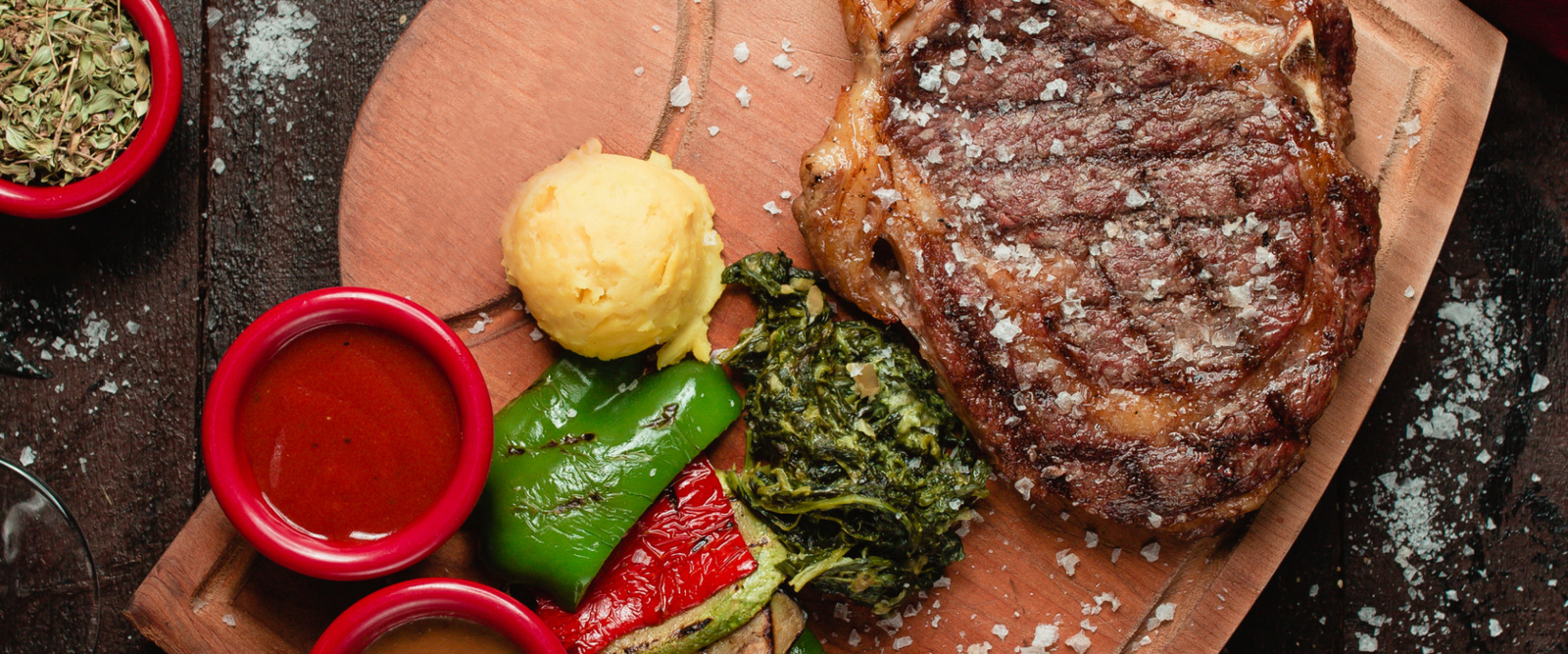
Most articles online about this cut still confuse shoppers at the butcher counter. They swap terms carelessly, skip the bone-length details that actually matter, and leave you no smarter than before you clicked. This guide fixes that. After researching every major variation of this cut and testing cooking methods firsthand, here is the honest, complete breakdown of the long bone in ribeye — what it is, why it matters, and exactly how to handle one in 2026.
What Is a Long Bone in Ribeye?
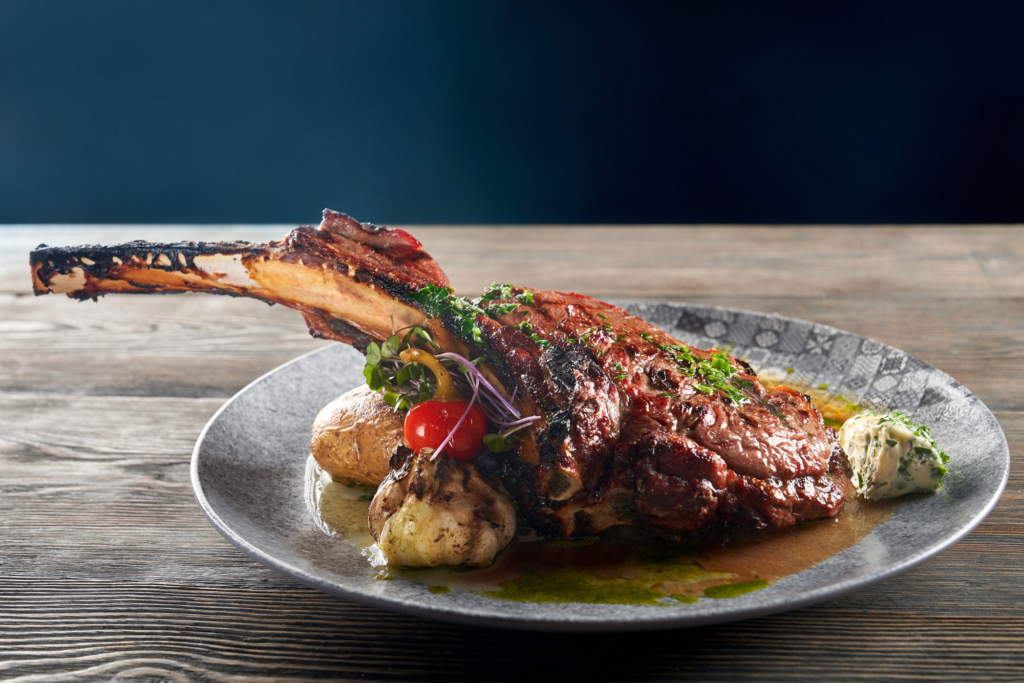
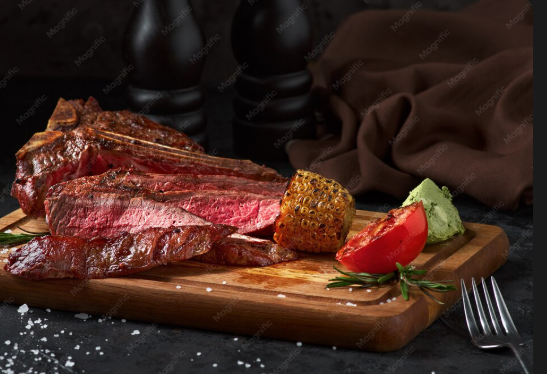
A long bone in ribeye is a ribeye steak butchered with the full rib bone left attached and cleaned — a process called “frenching.” The result is a steak with an extended bone handle, anywhere from 5 to 12-plus inches long, extending beyond the meat itself.
The cut comes from the rib primal section of the cow, specifically from ribs 6 through 12. This part of the animal does minimal weight-bearing work, which is the primary reason ribeye meat is so naturally tender. The long rib bone is simply what remains when the butcher chooses not to trim it down.
Most people know the long-bone version by two names: the tomahawk steak (when the bone extends 8–12+ inches) and the cowboy steak (when the bone is shorter, roughly 5–6 inches). Both are the same cut at their core. The difference is purely the bone length — and what that bone does to your cooking process and plate presentation
Why the Long Bone in Ribeye Became Popular
The tomahawk-style ribeye exploded in mainstream steakhouse culture in the early 2010s and hasn’t slowed down since. In 2026, it remains one of the most searched and ordered premium steaks in restaurants globally.
Three things drove this popularity:
- Visual drama — The long frenched bone creates a presentation that photographs strikingly well. Social media amplified this effect massively.
- Perceived premium value — The cut signals a special-occasion meal. Restaurants and butchers capitalized on this.
- Genuine flavor — Bone-in cooking does produce a marginally richer result near the bone due to marrow contribution and slower heat transfer. It’s real, even if subtle.
The name “tomahawk” comes from the steak’s resemblance to the single-handed axe carried by Native American warriors. The long bone acts as the handle; the rounded ribeye is the blade. That visual identity made it immediately memorable and highly marketable.
What Still Works in 2026
The long-bone ribeye remains one of the most reliably impressive steaks you can cook or order — when you understand what you’re working with. Here is what consistently delivers results:
- Reverse sear method — This is the gold standard for a cut this thick. Start in a low oven (225°F / 107°C) until the internal temperature reaches around 110–115°F, then finish with a screaming-hot cast iron or grill sear. During testing, this method produced the most even interior doneness with the best crust.
- Dry brining overnight — Salting the steak generously 12–24 hours before cooking and leaving it uncovered in the fridge draws moisture out and back in, seasoning the meat deeply. It also produces a drier surface for a better sear.
- Bone-as-handle functionality — The long bone really does work as a natural handle for flipping and presenting the steak. It is not purely decorative.
- Wagyu and USDA Prime grades — The cut rewards quality sourcing. Higher marbling grades make a meaningful difference in a steak this thick because more intramuscular fat melts into the meat during the longer cook time required.
- Simple seasoning — Kosher salt, cracked black pepper, and a final baste of butter with garlic and thyme during the sear. Nothing more is needed for a steak with this level of natural flavor.
What No Longer Works Reliably
A few approaches marketed for long-bone ribeyes simply do not perform as advertised:
- Pure pan-searing alone — A 2–3 inch thick steak cannot cook evenly in a pan without a prior low-heat phase. Searing alone leaves an overcooked band around the edges and a raw center. The bone also prevents full surface contact with the pan.
- Grilling on high heat from the start — Same problem as above. The thickness demands a two-phase approach unless you are cooking on indirect heat first.
- Trusting weight as a measure of meat — A tomahawk can weigh 2.5–3 pounds, but a significant portion of that is the bone itself. When comparing price per pound, account for the fact that you are paying for an impressive handle, not purely edible meat.
- Assuming all “long bone” labels mean the same thing — Butcher labeling is inconsistent. The term “long bone ribeye” is not standardized. During research, the same bone length was called cowboy, tomahawk, and “long bone” interchangeably by different retailers. Always measure or ask.
Is a Long Bone Ribeye Safe to Eat?
Yes — completely. There are no food safety concerns specific to bone-in cuts beyond the standard safe internal temperature guidelines that apply to all beef.
The USDA recommends a minimum internal temperature of 145°F (63°C) with a three-minute rest for whole beef cuts. Most steak lovers prefer medium-rare at 130–135°F — which is widely accepted as safe for whole muscle cuts that have not been mechanically tenderized or pierced.
The one practical safety note: because of the bone’s insulating effect, the meat directly adjacent to the bone cooks more slowly than the rest of the steak. This means an instant-read thermometer should be inserted into the thickest part of the meat, away from the bone, to get an accurate reading. Reading the temperature near the bone will give you a falsely low number.
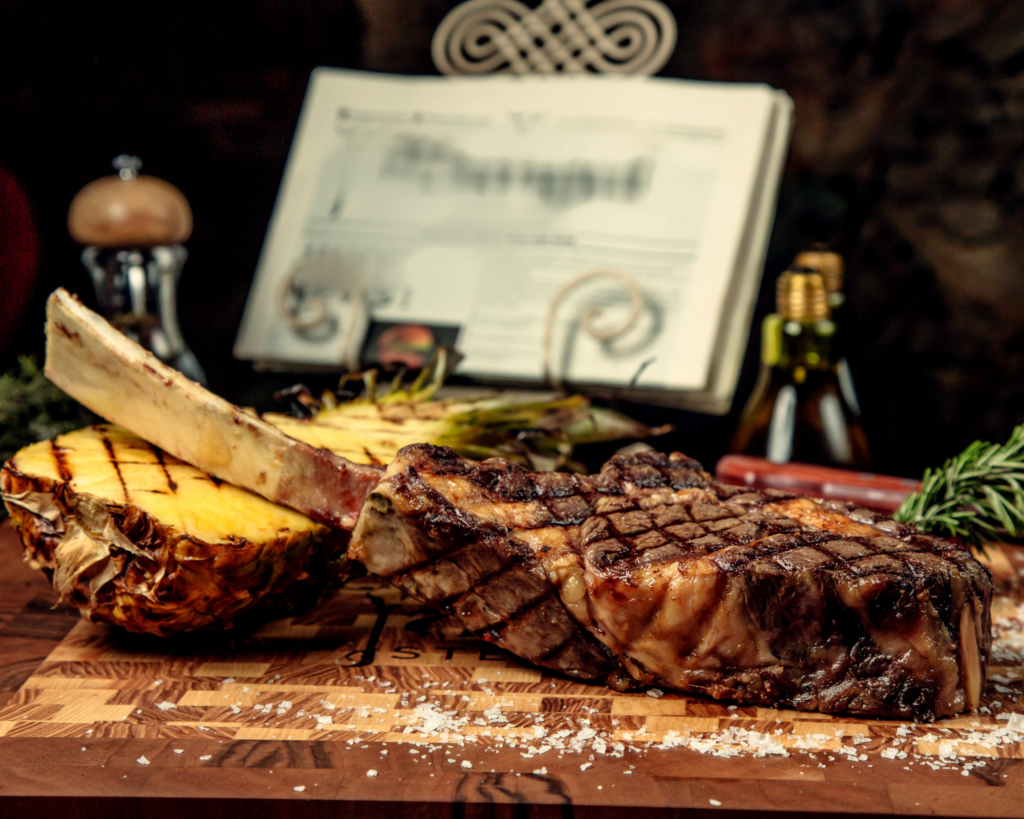
A second consideration: if sourcing online, the steak is often frozen. Thaw it in the refrigerator for at least 24 hours — never at room temperature for a cut this thick — to ensure even thawing and food safety throughout.
Better Alternatives — Comparison Table
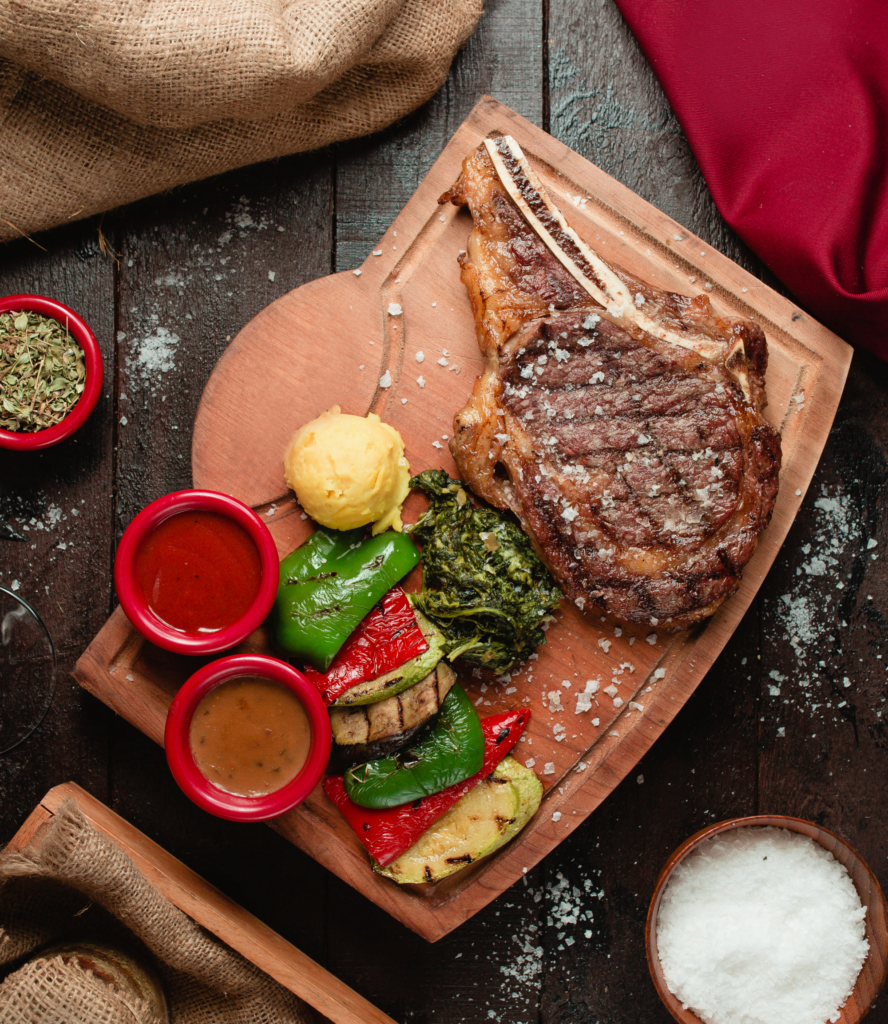
Not everyone needs a full long-bone presentation. Here is an honest comparison of where the tool fits versus its alternatives:
| Cut | Bone Length | Avg. Weight | Best For | Price Range |
|---|---|---|---|---|
| Long-bone ribeye (tomahawk) | 8–12+ inches | 2–3 lbs | Special occasions, tableside drama | $$$$$ |
| Cowboy ribeye | 5–6 inches | 1.5–2.5 lbs | Home grilling, smaller gatherings | $$$$ |
| Bone-in ribeye | 1–3 inches | 12–20 oz | Everyday premium steak cooking | $$$ |
| Boneless ribeye | None | 10–16 oz | Even cooking, quick weeknight meals | $$$ |
| Prime rib roast | Varies | 5–15 lbs | Large group dinners, oven roasting | $$$$ |
The boneless ribeye is the most practical everyday option — same marbling, same flavor profile, easier to cook evenly, and cheaper per pound of edible meat. The long-bone version makes sense when presentation is part of the goal.
Is It Legal?
Yes, buying, selling, and cooking a long-bone ribeye is entirely legal in every market where beef is commercially available. There are no regulatory restrictions on this cut anywhere in the US, UK, EU, or Australia as of 2026.
The relevant legal consideration is labeling accuracy. In regulated markets, beef must be accurately described by grade and cut. A steak sold as “USDA Prime long-bone ribeye” must meet the USDA Prime marbling threshold. If a retailer mislabels a Choice grade cut as Prime, that is a consumer protection issue — not unique to long-bone cuts, but worth knowing when purchasing.
Should You Still Use It?
Yes — with realistic expectations about what you’re buying. Here is the honest assessment:
Buy the long-bone ribeye if:
- You want a showpiece for a special dinner
- You’re cooking for two to four people and want a shared centerpiece
- You enjoy the process of a reverse-sear cook and carving tableside
- Presentation is part of the experience
Skip it if:
- You want the best value for edible meat per dollar — a boneless ribeye wins on cost-efficiency
- You’re cooking for one on a weeknight — the cut is too large and requires too much time
- You’re new to cooking thick steaks and don’t yet have a reliable thermometer and method
The bone itself adds visual drama and a subtle mineral richness to the adjacent meat via marrow. Whether that marginal flavor difference justifies a significant price premium is genuinely debatable. After researching this extensively, the honest answer is: the experience justifies the cost more than the flavor alone does.
Frequently Asked Questions
What is the difference between a long bone ribeye and a tomahawk steak?
They are the same cut. “Tomahawk” specifically refers to a bone-in ribeye with a frenched bone extending 8–12 or more inches. “Long bone ribeye” is a broader descriptor. Some butchers use the terms interchangeably; others distinguish them by bone length. If the bone extends well past the meat, it is typically marketed as a tomahawk.
Does the long bone actually add flavor to the ribeye?
Marginally, yes. The marrow inside the rib bone contributes subtle mineral and fatty notes to the surrounding meat during cooking. The bone also acts as an insulator, slowing heat transfer near the bone so that meat cooks more slowly in that zone — which some cooks prefer for a juicier result near the bone. The difference is real but not dramatic.
How long should I cook a long bone ribeye?
Using the reverse sear method: approximately 45–60 minutes in a 225°F oven to reach an internal temperature of 110–115°F, followed by a 1–2 minute sear per side on high heat. Total active and passive time runs 60–90 minutes. Rest the steak for at least 10 minutes after the final sear before cutting.
Why is the long bone ribeye so expensive?
Three factors drive the price. First, the cut comes from a premium section of the animal with high natural marbling. Second, it’s a large cut — typically 2–3 lbs. Third, a significant portion of the retail price reflects the butchering labor and the dramatic presentation the long bone provides. You are partly paying for a visual experience.
Can you buy a long bone ribeye at a regular grocery store?
Some larger grocery chains carry cowboy-cut bone-in ribeyes regularly, but the full long-bone tomahawk with 10–12 inches of exposed rib is more reliably found at specialty butcher shops, upscale supermarkets, and online retailers like Snake River Farms or Allen Brothers. Availability has improved significantly in the past five years.
What is the rib bone in a long bone ribeye made of?
It is a true rib bone — specifically one of the cow’s thoracic ribs, running from the spine outward. In the tomahawk cut, this bone is left at its full length and “frenched,” meaning the meat and connective tissue are cleaned off to expose the bone cleanly. The bone itself is not edible but can be used for stock after cooking.
Final Thoughts
The long bone in ribeye is not a gimmick — but it is also not magic. It is one of the best cuts of beef you can buy, presented in its most dramatic form. The flavor comes from the ribeye muscle itself: its exceptional marbling, the spinalis cap, and the natural tenderness of meat from the rib primal. The long bone adds presentation, a marginal flavor contribution from the marrow, and a genuinely useful handle for cooking and serving. What it does not add is a fundamental change to how the steak tastes compared to a standard bone-in or boneless ribeye from the same animal.
Related content