
What Are Steak Cut Types?
If you’ve ever stood in front of a butcher’s counter wondering which steak to buy, you’re not alone. With names like Ribeye, Sirloin, T-Bone, and Filet Mignon, choosing the right cut can feel confusing. Understanding steak cut types helps you select the perfect steak based on tenderness, flavor, cooking method, and budget. Every steak comes from a specific part of the cow, and each muscle has unique characteristics. Muscles that do less work, such as those in the loin, are naturally more tender. Cuts from muscles that work harder, like the chuck or round, contain more connective tissue but develop deeper, beefier flavors when cooked correctly.
Understanding the Steak Cuts
Choosing the wrong steak can turn an expensive dinner into a disappointing meal. A beautifully marbled Ribeye performs very differently from a lean Sirloin, and a Skirt Steak requires a completely different cooking technique than a Filet Mignon. Learning the differences saves money while improving your cooking success.
One of the biggest mistakes beginners make is assuming that every steak cooks the same way. In reality, the amount of marbling, muscle structure, thickness, and connective tissue all influence cooking time and the final texture. For example, a Filet Mignon is incredibly tender because it comes from a muscle that does very little work, while a Flank Steak benefits from high heat and thin slicing across the grain to stay tender.
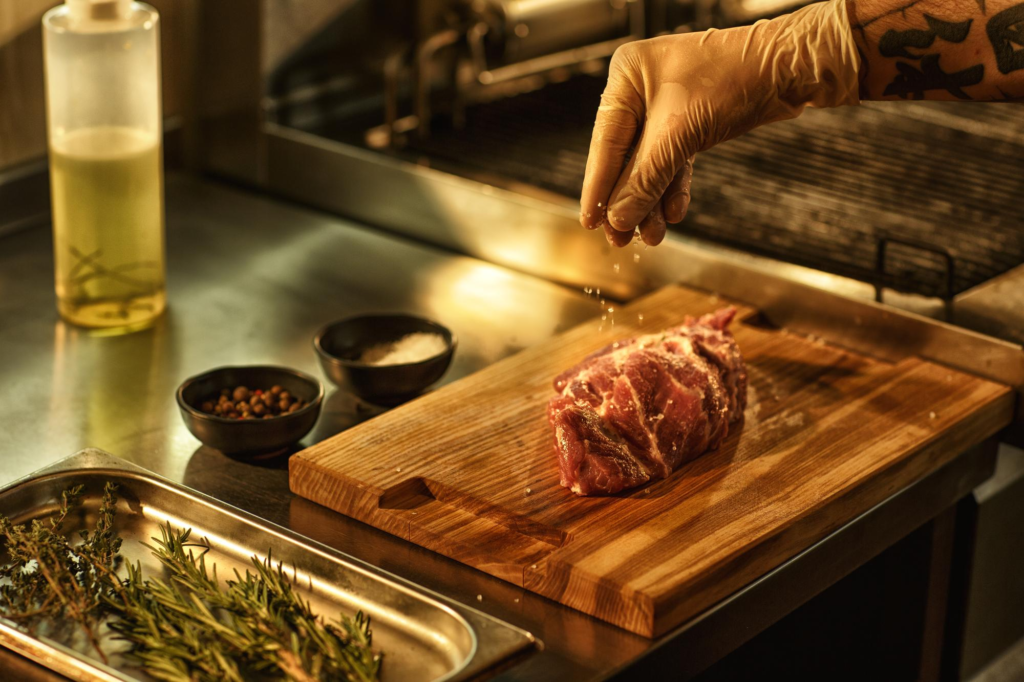
Understanding steak cuts also helps you shop smarter. Premium steaks often come with higher price tags, but they are not always the best choice for every recipe. A Hanger Steak or Flat Iron Steak can deliver exceptional flavor at a lower cost when prepared correctly. By knowing what each cut offers, you can match your budget with your cooking goals instead of paying more simply because a steak has a famous name.
Beef Primal Cuts Explained
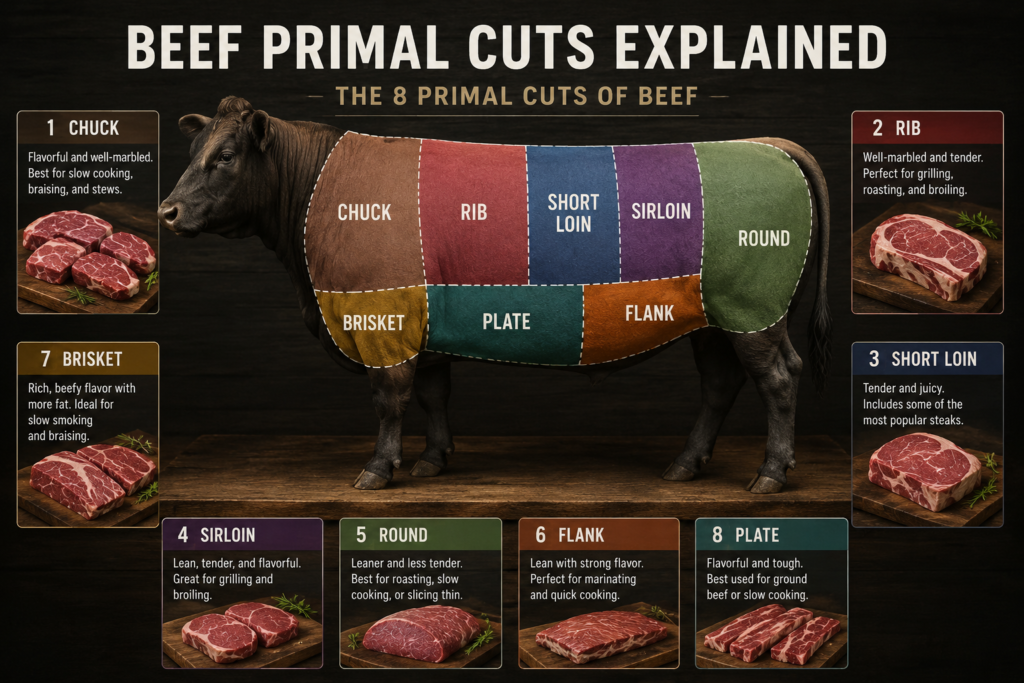
Every steak begins with one of the cow’s eight primal cuts. These large sections are divided into smaller subprimal cuts, which are then portioned into the steaks found at butcher shops and supermarkets. Understanding these primal cuts makes it much easier to recognize why different steaks taste and cook differently.
Chuck
The chuck comes from the shoulder area of the animal. Because these muscles are used frequently, the meat contains more connective tissue and has a stronger beef flavor. While chuck steaks can be grilled, they generally benefit from slow cooking or braising. Modern butchering techniques have also introduced popular options like the Denver Steak and Flat Iron Steak, which offer surprising tenderness despite originating from the chuck.
Rib
The rib section produces some of the most desirable steaks in the world. Ribeye steaks are famous for their abundant marbling, rich flavor, and juicy texture. The generous intramuscular fat melts during cooking, creating exceptional tenderness and moisture. This section is ideal for grilling, pan-searing, and reverse searing.
Loin
The loin is divided into the short loin and the sirloin. This area produces premium steaks including Filet Mignon, New York Strip, Porterhouse, and T-Bone. Since these muscles experience minimal movement, they remain naturally tender. Many of the most expensive steakhouse cuts originate from this section because of their consistent texture and eating quality.
Round
Located at the rear of the animal, the round produces lean, economical cuts. While these steaks are less tender than loin steaks, they are excellent choices for marinating, slicing thinly, or slow cooking. Round steaks provide an affordable option for families who want beef flavor without paying premium prices.
The Most Popular Steak Cut Types
Ribeye
Ribeye is often considered the gold standard among steak enthusiasts. Its abundant marbling creates a buttery texture and rich beef flavor that remains juicy even when cooked to medium. Because of its fat content, Ribeye is forgiving for beginners and performs exceptionally well on grills and cast-iron skillets.
Filet Mignon
Filet Mignon comes from the tenderloin and is widely recognized as the most tender steak available. It has a delicate texture that almost melts in your mouth. While it contains less marbling than Ribeye, many people appreciate its soft bite and elegant presentation. Wrapping it in bacon or serving it with a compound butter enhances its flavor.
New York Strip
The New York Strip strikes an excellent balance between tenderness and bold beef flavor. It has a firmer texture than Filet Mignon but more marbling than Sirloin, making it one of the most versatile steaks for home cooks. It develops an excellent crust when pan-seared and grills beautifully over high heat.
T-Bone
The T-Bone combines two premium steaks in one cut. One side contains the New York Strip, while the other includes a smaller section of tenderloin. The signature T-shaped bone helps retain moisture during cooking, giving the steak exceptional flavor and visual appeal.
Porterhouse
Often called the king of steaks, the Porterhouse resembles a T-Bone but includes a significantly larger tenderloin section. This generous cut is perfect for sharing and delivers two distinct textures in one steak. It is especially popular for backyard grilling and steakhouse-style dinners.
Sirloin
Sirloin offers one of the best combinations of flavor, tenderness, and affordability. It contains less marbling than Ribeye but still provides satisfying beef flavor. For families looking for excellent value, Sirloin is often the smartest everyday steak choice.
Flank Steak
Flank Steak is long, lean, and packed with beef flavor. Although naturally tougher than premium cuts, proper preparation transforms it into a delicious meal. High-heat cooking followed by slicing thinly across the grain creates remarkably tender bites. Flank Steak is widely used for fajitas, stir-fries, and steak salads.
Skirt Steak
Skirt Steak delivers one of the richest beef flavors of any cut. Its loose muscle fibers absorb marinades exceptionally well, making it a favorite for tacos, fajitas, and grilled dishes. Because it cooks quickly, overcooking should be avoided.
Hanger Steak
Once known as the butcher’s secret, Hanger Steak has become increasingly popular among home cooks. It offers an outstanding combination of tenderness and bold flavor at a price that is often lower than premium steakhouse cuts. When grilled to medium-rare and sliced correctly, it rivals far more expensive steaks.How to Choose the Right Steak Cut
Choosing the right steak isn’t simply about buying the most expensive cut. The best steak depends on your taste preferences, cooking method, and budget. Some people love the rich, buttery flavor of a well-marbled Ribeye, while others prefer the lean tenderness of Filet Mignon or the balanced texture of a New York Strip. Before purchasing, think about how you plan to cook the steak. Thick, marbled cuts perform exceptionally well on the grill or in a cast-iron skillet because the fat melts during cooking, creating a juicy and flavorful result. Leaner cuts may require careful temperature control or a marinade to prevent them from drying out.
Steak Cut Comparison Table
| Steak Cut | Tenderness | Flavor | Marbling | Best Cooking Method | Price |
|---|---|---|---|---|---|
| Ribeye | Excellent | Rich | High | Grilling, Pan-Seared | $$$ |
| Filet Mignon | Outstanding | Mild | Low | Pan-Seared, Oven | $$$$ |
| New York Strip | Very Good | Bold | Medium | Grill, Reverse Sear | $$$ |
| Porterhouse | Excellent | Rich | Medium | Grill | $$$$ |
| T-Bone | Excellent | Rich | Medium | Grill | $$$ |
| Sirloin | Good | Beefy | Medium-Low | Grill, Pan-Seared | $$ |
| Flank Steak | Moderate | Strong | Low | High-Heat Grill | $$ |
| Skirt Steak | Moderate | Very Rich | Medium | Grill | $$ |
| Hanger Steak | Very Good | Rich | Medium | Grill, Cast Iron | $$ |
This comparison shows that there is no single “best” steak. Each cut excels in different situations. If tenderness is your priority, Filet Mignon is difficult to beat. If you want maximum flavor, Ribeye and Hanger Steak are outstanding choices. Home cooks looking for value often find Sirloin delivers an excellent balance of taste, versatility, and affordability.
Understanding USDA Beef Grades
One of the easiest ways to improve your steak-buying decisions is by understanding beef grades. In the United States, beef is commonly graded as Prime, Choice, and Select based on marbling and overall quality. USDA Prime contains the highest amount of marbling, producing exceptionally juicy and tender steaks. It is commonly found in high-end restaurants and specialty butcher shops.
USDA Choice is the most common premium grade available in supermarkets. It offers an excellent balance between quality and price, making it the preferred option for many home cooks. USDA Select is leaner and generally less tender but can still produce excellent meals when cooked correctly. Beyond these grades, many local farms also sell grass-fed and dry-aged beef, each offering unique flavor characteristics. Understanding these grades helps you compare steaks more confidently and avoid paying premium prices for lower-quality meat.
Marbling: Why It Matters
Marbling refers to the tiny streaks of fat distributed throughout the muscle. Unlike the thick outer fat cap, marbling melts during cooking, naturally basting the meat from the inside. This process creates a steak that is juicier, more flavorful, and often more tender. Cuts like Ribeye are prized because of their abundant marbling, while leaner cuts such as Filet Mignon rely on tenderness rather than fat for their appeal.
Many first-time buyers assume lean meat is always healthier and therefore better, but moderate marbling significantly improves the eating experience. The key is balance. Too little fat can produce a dry steak, while excessive fat may not suit everyone’s preference. Looking for evenly distributed marbling throughout the steak is one of the simplest ways to identify high-quality beef before you buy.
Best Cooking Methods for Different Steak Cuts
Different steak cuts require different cooking techniques to bring out their best qualities. Ribeye, Porterhouse, T-Bone, and New York Strip are excellent candidates for grilling because their marbling protects them from drying out over high heat. Filet Mignon benefits from pan-searing followed by gentle oven finishing, allowing the exterior to develop a rich crust while keeping the center tender and juicy.
Leaner cuts such as Flank and Skirt Steak cook quickly over intense heat. These steaks should be removed from the heat once they reach medium-rare and sliced against the grain to maximize tenderness. Hanger Steak also performs beautifully with high-heat cooking and a short resting period before slicing. For thicker premium cuts, reverse searing has become one of the most reliable methods because it ensures even doneness throughout the steak while producing a beautifully browned crust.
Common Mistakes When Buying and Cooking Steak
Many steak disappointments happen long before the meat reaches the grill. One common mistake is buying solely based on appearance without checking marbling. Another is selecting the wrong cut for the intended recipe. A Filet Mignon may be wonderfully tender, but it isn’t always the best choice for fajitas or stir-fries, where a Flank or Skirt Steak performs much better.
Overcooking is another frequent issue. Even premium steaks lose moisture when cooked beyond their ideal temperature. Using an instant-read meat thermometer is one of the easiest ways to achieve consistent results. Skipping the resting period is equally damaging because cutting into a steak immediately allows its juices to escape. Allowing the steak to rest for five to ten minutes helps redistribute moisture, resulting in a juicier bite. Finally, avoid seasoning too late. Applying salt before cooking enhances flavor and encourages a beautiful crust.
Conclusion
Understanding steak cut types makes buying and cooking steak far less intimidating. Every cut has unique characteristics, from the buttery richness of Ribeye to the exceptional tenderness of Filet Mignon and the outstanding value of Sirloin. Rather than searching for a single “best” steak, focus on selecting the right cut for your cooking method, taste preferences, and budget.
Whether you’re grilling outdoors, preparing a cast-iron dinner, or experimenting with reverse searing, knowing where each steak comes from and how it should be cooked will dramatically improve your results. With the information in this guide, you’ll be able to shop confidently, cook more effectively, and enjoy restaurant-quality steak at home.
Also read related article
FAQs
1. Which steak cut is the most tender?
Filet Mignon is generally considered the most tender steak because it comes from the tenderloin, a muscle that experiences very little movement.
2. Which steak has the most flavor?
Many steak lovers consider Ribeye the most flavorful due to its abundant marbling, which melts during cooking and creates a rich, juicy taste.
3. What is the best steak for beginners?
Sirloin is an excellent choice for beginners because it offers good tenderness, rich flavor, and affordable pricing while being easy to cook.
4. Which steak is best for grilling?
Ribeye, New York Strip, Porterhouse, and T-Bone are among the best grilling steaks because they develop a flavorful crust while remaining juicy.
5. How do I know if a steak is high quality?
Look for bright red color, fine and even marbling, firm texture, and freshness. Choosing USDA Prime or Choice grades also increases the likelihood of purchasing a premium-quality steak.