Most articles about ribeye steak for Philly cheesesteak stop at “buy ribeye and slice it thin.” That’s not a guide that’s a starting point. After researching authentic preparation methods, comparing USDA grades, and digging into exactly why ribeye outperforms every other cut in this sandwich, this article gives you the complete picture from butcher counter to finished roll. If your homemade cheesesteak ever came out chewy, dry, or tasting like a generic steak sandwich, this is where that problem gets fixed.
What Is Ribeye Steak for Philly Cheesesteak?
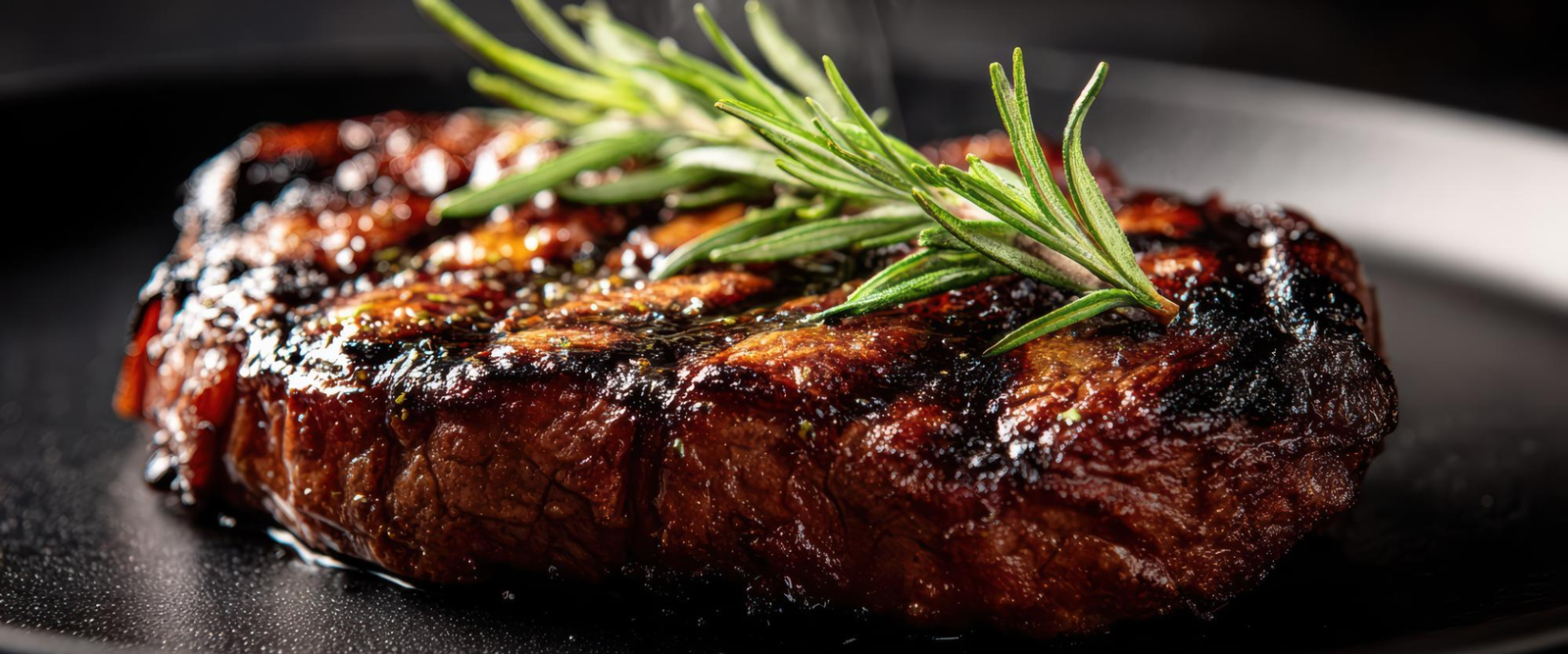
Ribeye steak for Philly cheesesteak refers to a boneless rib-section cut of beef, partially frozen and sliced paper-thin, then cooked fast on a flat-top griddle or cast iron skillet at high heat. It is the traditional and most authentic meat used in a classic Philadelphia cheesesteak.
The ribeye comes from the rib primal section of the steer ribs 6 through 12. What makes it ideal for cheesesteak isn’t just flavor it’s the cut’s intramuscular marbling. Those thin white streaks of fat running through the meat render quickly under high heat, basting the thin slices from within as they cook. The result is a tender, juicy, cohesive filling that clings to the cheese and sits right in the roll.
No other cut does this as consistently or as well.
Why Ribeye Steak for Philly Cheesesteak Became Popular
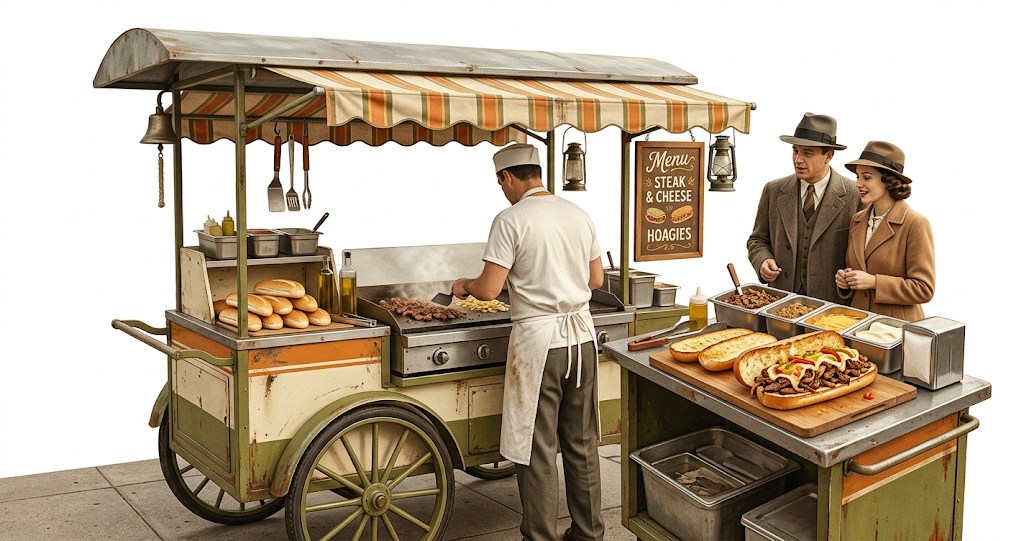
The story starts in the early 1930s in Philadelphia. Pat Olivieri, a hot dog vendor, decided one day to cook thinly sliced beef from a local butcher on his grill, top it with onions, and eat it for lunch. A passing taxi driver smelled it and asked for one. That moment informal, accidental, and built around ribeye became the foundation of one of America’s most iconic sandwiches.
Ribeye became and stayed the standard for one practical reason: it performed better than every other cut in the high-heat, fast-cook environment of a lunch counter griddle. Leaner cuts dried out quickly under those conditions. Ribeye, with its fat content, stayed tender and juicy even when cooked to well-done.
That performance advantage was confirmed over decades. Today, shops like the legendary Pat’s King of Steaks and Geno’s Steaks in South Philadelphia continue to build their reputation on thinly sliced, griddle-cooked ribeye. The cut became inseparable from the sandwich’s identity.
What Still Works in 2026
After researching current preparation standards, here is what produces the best results every time:
Choosing the Right Grade
- USDA Prime — the highest grade, with abundant marbling throughout. Only about 2–3% of beef earns this designation. Best possible result for a cheesesteak.
- USDA Choice — less marbling than Prime but still excellent. The most widely available option and a completely legitimate choice for home cooking.
- USDA Select — avoid this for cheesesteak. It lacks the fat needed to prevent the meat from drying out under high heat.
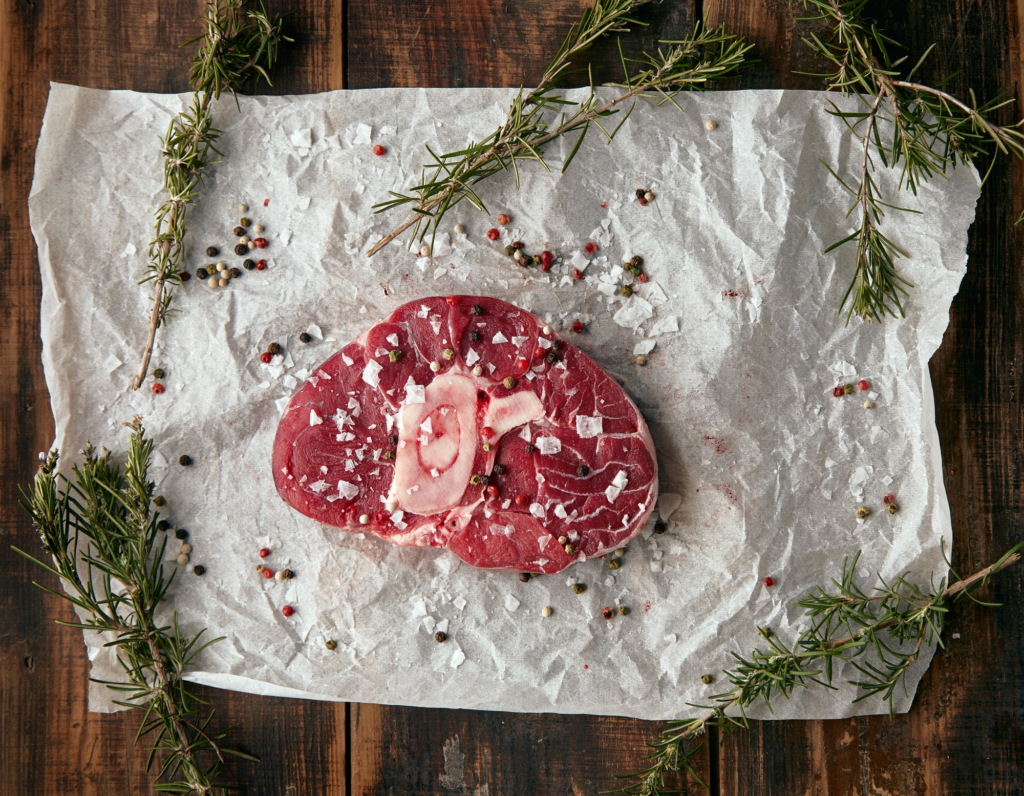
Look for visible, evenly distributed white marbling when selecting at the butcher counter. The meat should be deep red, with no gray or brown tinge.
Choosing the Right Ribeye
- Go boneless — bone-in ribeye wastes money since you’re slicing and chopping the meat anyway
- Choose a 1 to 1.5-inch thick steak — thick enough to give you control when slicing thin
- Ribeye cap (spinalis dorsi) attached is a bonus — it’s the most marbled, most tender part of the cut
The Correct Slicing Method
- Place ribeye in the freezer for 30–45 minutes before slicing — not frozen solid, just firm
- Use a long, sharp slicing knife
- Slice against the grain — this shortens the muscle fibers and makes every bite tender rather than chewy
- Target 1/16 to 1/8 inch thickness — paper thin is the goal
- After slicing, roughly chop the strips a few times on the cutting board for authentic cheesesteak texture
Cooking Method
- Use a cast iron skillet or flat-top griddle
- Heat to 400–425°F before the meat goes in — a surface this hot browns the paper-thin ribeye in seconds
- Cook the onions first — they take longer than the steak
- Add the ribeye to the griddle and season immediately with salt and pepper
- Chop and mix as it cooks — about 60–90 seconds total for thinly sliced ribeye
- Add cheese directly on top, cover with a lid for 30 seconds to melt it fully
- Load into a lightly toasted hoagie roll immediately
What No Longer Works Reliably
A lot of content still repeats advice that produces disappointing results. During research, these were the most common mistakes:
- Slicing too thick — anything over 1/4 inch won’t cook through properly in the short time on the griddle. Thick slices stay chewy and come out of the roll in one rubbery piece.
- Skipping the freeze step — room temperature ribeye is too soft to slice cleanly. The brief freeze firms the fat and muscle, making paper-thin cuts possible with a regular kitchen knife.
- Using USDA Select ribeye — it lacks the marbling that makes ribeye worth using. Lean ribeye under high heat dries out before it browns.
- Cooking on insufficient heat — medium heat steams the ribeye instead of searing it. The result is gray, waterlogged meat with no crust and no flavor.
- Overcrowding the pan — too much meat at once drops the pan temperature and causes steaming. Cook in batches if needed.
- Skipping the chop — not chopping the meat after slicing is what makes a homemade cheesesteak feel like a “steak sandwich” instead of a real Philly.
Is Ribeye Steak for Philly Cheesesteak Safe to Use?
Yes — when handled and cooked correctly, ribeye is completely safe for cheesesteak preparation.
Key food safety points:
- According to USDA food safety guidelines, whole-muscle beef should reach a minimum internal temperature of 145°F with a 3-minute rest. For cheesesteak, the high-heat griddle method exceeds this easily for well-done preparation.
- The partial freeze used for slicing is a food-safe technique — the meat never reaches a temperature that encourages bacterial growth during the 30–45 minute freeze period.
- Never leave raw ribeye at room temperature for more than 2 hours.
- Store leftover cooked cheesesteak filling in an airtight container in the refrigerator for up to 3–4 days. Reheat in a skillet over medium heat rather than microwave to preserve texture.
- Cross-contamination is the main risk — use a clean cutting board and wash hands thoroughly after handling raw ribeye.
For those who prefer their cheesesteak cooked to medium rather than well-done, the thin slices still reach safe temperatures extremely quickly under proper griddle heat.
Better Alternatives: Comparing Cuts
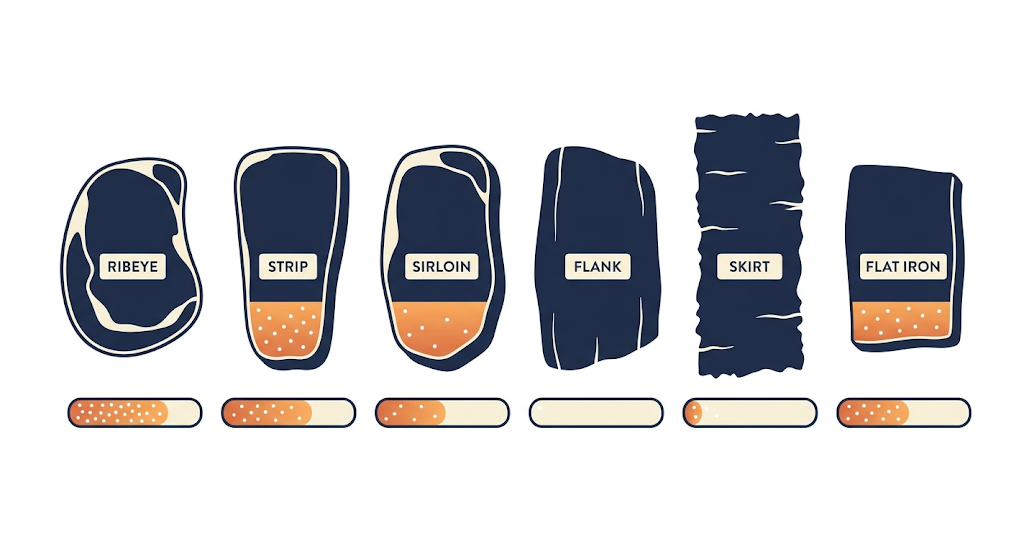
| Cut | Marbling | Tenderness | Flavor | Ease of Slicing | Authenticity |
|---|---|---|---|---|---|
| Ribeye (boneless) | ★★★★★ | ★★★★★ | ★★★★★ | ★★★★☆ | ✅ Traditional |
| New York Strip | ★★★☆☆ | ★★★★☆ | ★★★★☆ | ★★★★☆ | Close substitute |
| Top Sirloin | ★★☆☆☆ | ★★★☆☆ | ★★★☆☆ | ★★★★★ | Budget option |
| Flank Steak | ★★☆☆☆ | ★★★☆☆ | ★★★☆☆ | ★★★☆☆ | Leaner alternative |
| Skirt Steak | ★★☆☆☆ | ★★★☆☆ | ★★★☆☆ | ★★☆☆☆ | Works in a pinch |
| Flat Iron | ★★★☆☆ | ★★★★☆ | ★★★☆☆ | ★★★☆☆ | Budget-friendly |
The reality: alternatives can work, but they all require extra care. Leaner cuts dry out faster, demand even thinner slicing, and risk a tough, chewy bite if slightly overcooked. As the USDA explains, less marbling typically means less juiciness and flavor — and for a sandwich where the beef is everything, that matters.
If cost is the concern, a USDA Choice ribeye is a far better investment than a cheaper cut. The price difference per sandwich is minimal.
Is It Legal?
Using ribeye steak for Philly cheesesteak at home carries no legal considerations. For food businesses, the same food safety regulations that govern all beef preparation apply — minimum internal temperatures per the FDA Food Code and local health department requirements.
One point worth knowing: Philadelphia has no legal “cheesesteak standard” that mandates ribeye specifically. Any restaurant can call their sandwich a Philly cheesesteak regardless of the cut used. Authenticity is a matter of tradition, not regulation. That said, any shop worth its reputation uses ribeye — because the results speak for themselves.
Should You Still Use Ribeye for Philly Cheesesteak?
Yes without hesitation, and the reasoning is straightforward.
The ribeye’s marbling is not optional for this sandwich. When those thin slices hit a 400°F griddle, the intramuscular fat begins to render within seconds, coating each strip in its own juice and creating the melt-together, cohesive texture that defines an authentic Philly cheesesteak. No other commonly available cut does this at the speed and heat required.
Use it when:
- You want results that match what a real Philadelphia shop produces
- You’re cooking for people who know what a good cheesesteak tastes like
- You’re using a cast iron skillet or flat-top griddle at proper high heat
- You want the beef and cheese to feel like one unified filling, not separate ingredients
The only valid reason to choose a different cut is budget. In that case, flat iron or New York strip are the most sensible alternatives — but go in knowing the result will be noticeably different. For any serious attempt at an authentic Philly cheesesteak, ribeye is not just the best option — it is the only correct one.
FAQs
What grade of ribeye is best for Philly cheesesteak?
USDA Choice or USDA Prime. Prime has more marbling and produces the richest, most tender result. Choice is widely available, more affordable, and still excellent. Avoid USDA Select — it lacks the fat content needed to stay juicy under high griddle heat.
How thin should ribeye be sliced for Philly cheesesteak?
As thin as possible — ideally 1/16 to 1/8 inch. To achieve this at home without a deli slicer, freeze the ribeye for 30–45 minutes until firm but not frozen solid, then use a sharp, long-bladed knife and slice against the grain.
Can I use pre-shaved ribeye from the grocery store?
Yes pre-shaved beef found in the grocery store works well and saves significant prep time. Check that it has visible marbling before buying. Pre-shaved steak labeled “shaved beef” or “minute steak” can vary in cut, so look for ribeye specifically when possible.
What cheese goes best with ribeye for Philly cheesesteak?
The three traditional options are Cheez Whiz (the original South Philly choice — gooey and salty), provolone (sharper, more complex), and American cheese (mild and extremely meltable). All three work. The choice comes down to personal preference, not authenticity — all three appear at legendary Philly shops.
Why does my homemade cheesesteak taste different from a restaurant version?
Several reasons: the griddle temperature is likely too low, the slices may be too thick, or the pan hasn’t developed the seasoning that comes from years of cooking beef on the same surface. Cast iron helps bridge that gap at home. Using USDA Choice or Prime ribeye, slicing paper-thin, and cooking at high heat resolves most of the difference.
Final Thoughts
Ribeye steak for Philly cheesesteak is not a preference it’s the technical foundation of the sandwich. The marbling renders under high heat and produces a result that no leaner cut can replicate: tender, juicy, unified, rich. That’s what separates a real cheesesteak from a steak sandwich with cheese on it.
Get a boneless USDA Choice or Prime ribeye, freeze it briefly, slice it paper-thin against the grain, and cook it fast on a screaming hot cast iron skillet. Add caramelized onions, melt your cheese of choice directly on the meat, and load it into a toasted hoagie roll. That’s the full method. That’s why ribeye steak for Philly cheesesteak has been the standard since the 1930s and will remain the standard long after 2026.